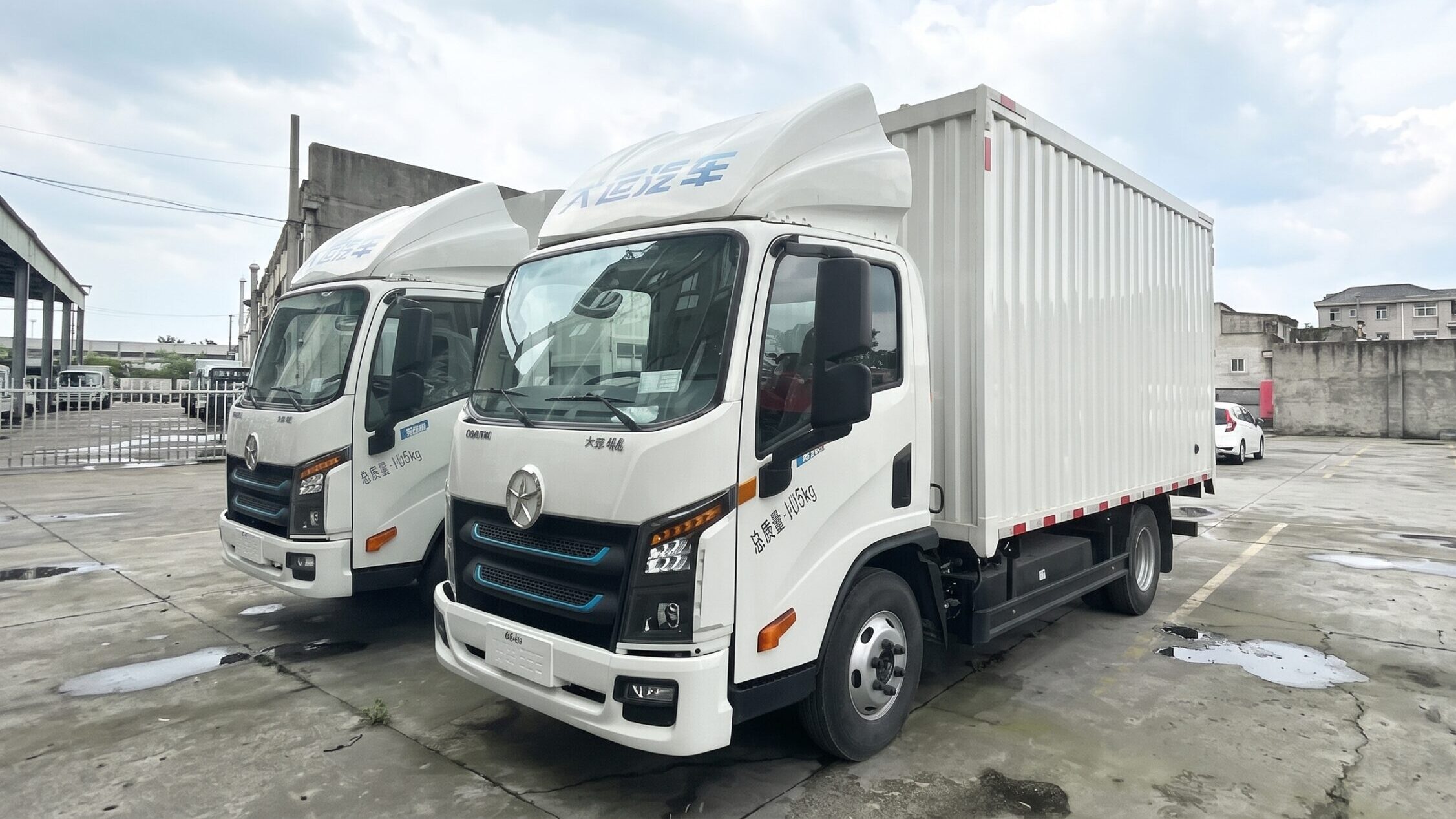
TECH – China’s electric truck market is creating a source of lithium demand, offering a boost to a battery material pressured by oversupply concerns. Higher oil costs are encouraging transport operators to consider electric alternatives, while manufacturers expand beyond passenger cars.
According to Reuters, electric truck sales in China reached 600,000 units during 2026, up 45% year on year. They represented around 30% of truck sales. Heavy-duty models led the growth because their larger battery packs require more lithium. Sales in this segment climbed 68% to 262,000 vehicles.
The trend is reaching overseas markets. Chinese exports of heavy electric trucks more than doubled to 16,823 units in the four months after US-Israeli strikes on Iran began on February 28. About half went to South and Southeast Asia, where higher fuel costs have strengthened interest in electric commercial vehicles.
Read More: JEDEC Reveals DDR6 Memory With 14,400 MT/s Speeds and 50% More Bandwidth
The shift could affect mineral consumption. Electric trucks are expected to use nearly 7% of global lithium supply in 2026, rising to 12% by 2030, according to estimates cited by Reuters. YJ Lee of Singapore-based Arcane Green Metal Fund said this would equal the lithium needed for as many as 11.5 million electric passenger cars.
Battery giant CATL also sees commercial transport as a major growth opportunity. The company told Reuters: “Following passenger vehicles and energy storage, the next major opportunity lies in the electrification of commercial road transport, especially heavy-duty trucks.” Consultancy SFA Oxford has raised its 2026 forecast for lithium demand from heavy-duty electric vehicles by 95% over the past year.
However, the truck boom has not reversed lithium’s broader downturn. Prices have fallen by almost half since reaching a high in May, as uncertainty over energy-storage demand, uneven installations in China and slower domestic electric-car sales weigh on sentiment. New mines and restarted operations have added to supply concerns, while policy disruptions and speculative trading have increased volatility.
Fastmarkets analyst Connor Watts said Chinese buyers were reluctant to “catch the falling knife” by purchasing material while prices declined. He cautioned that China’s utility and commercial-vehicle sectors were not yet large enough to support lithium prices on their own.