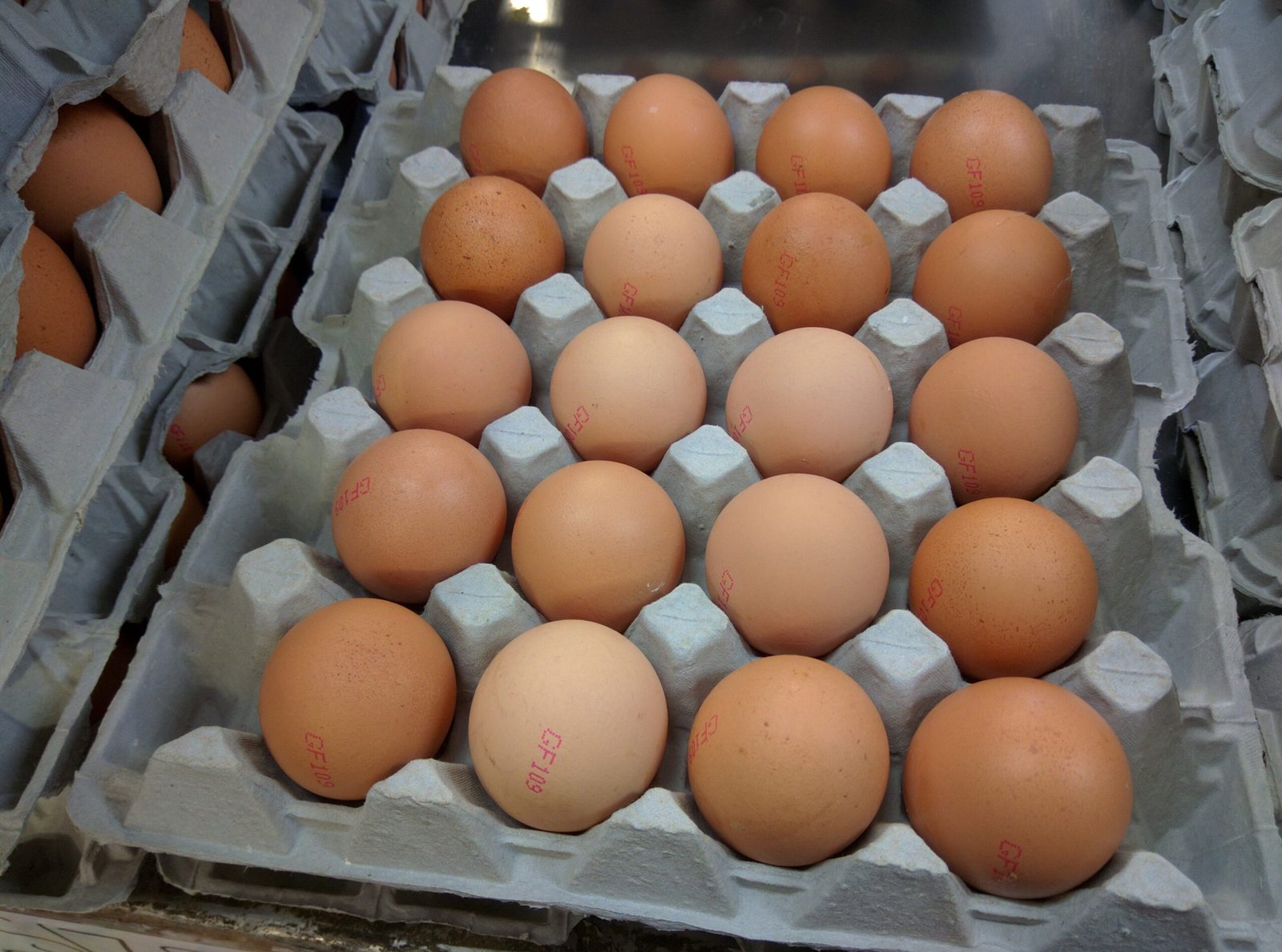
SINGAPORE,- Singapore has approved China’s Hainan province as a source of poultry, pork and shell eggs, expanding its options for imported food. The announcement was made at the Joint Council for Bilateral Cooperation on 23 November. The policy matters because a wider supplier base can help reduce dependence on individual countries or production regions, although an import approval is not a guarantee that particular products will immediately appear in supermarkets at lower prices.
In his post-meeting briefing, Deputy Prime Minister Gan Kim Yong said Hainan would join Hunan as an approved source of chilled and frozen pork and become the first Chinese province approved to supply chilled and frozen poultry and shell eggs to Singapore. He cited products such as Wenchang chicken and Hainanese goose as examples of possible additional choices.
Why diversifying food imports matters
A food-importing economy faces risks ranging from animal disease outbreaks and bad weather to export restrictions and transport disruptions. If most supplies of a product come from a small number of locations, disruption at one source can have a disproportionate effect on buyers.
Diversification increases the alternatives available to importers. However, a new approved source only improves practical resilience if businesses can arrange supply contracts, cold-chain transport and dependable deliveries at acceptable costs. The relevant measure is not simply the number of approved locations but the capacity that can actually be used when another source is interrupted.
Does approval mean every producer can export?
Approval of a producing region should be distinguished from automatic permission for every company or shipment. Importers must meet the applicable food-safety, health certification and regulatory requirements for the products they bring into Singapore. Animal products in particular require controls appropriate to their storage, production and disease risks.
The CNA account of the bilateral meeting places the announcement within a package of 29 agreements across several areas. The food decision is distinct from proposals to deepen digital trade and financial connectivity. Its effect will be felt through subsequent procurement and retail decisions.
Will shoppers see lower prices?
More competition among suppliers may improve purchasing choices and help retailers respond to shortages. But retail prices depend on wholesale contracts, shipping, storage, exchange rates, product quality and demand. Specialty chilled products could be priced differently from existing frozen alternatives.
Consumers should not expect an immediate across-the-board reduction in the cost of meat or eggs merely because a new region has been approved. The availability and price of individual products will become clearer as importers establish their supply arrangements.
The broader significance for Singapore
The official JCBC summary also describes renewed cooperation on agriculture and food security. Such relationships can support regulatory dialogue and innovation, while practical food resilience requires multiple suppliers, consistent standards and efficient distribution.
Hainan’s accreditation is a concrete expansion of Singapore’s possible food sources. The next indicators to watch are actual shipments, retailer adoption and the stability of supply during periods of international disruption. For households, the most meaningful benefit would be sustained access to safe, reasonably priced food rather than a one-off announcement.