SINGAPORE,- Singapore’s national water agency PUB has warned that flood risks could rise from November 2026 to January 2027 as the northeast monsoon coincides with unusually high tides. Its 23 November advisory identifies several periods when coastal drainage could be less effective. The warning is not a prediction that every affected location will flood, but it gives residents and businesses a useful opportunity to prepare.
According to the PUB advisory, brief flooding has previously occurred in low-lying coastal areas when tides exceed 3.3 metres, sometimes without rainfall. The concern is greater when intense rain arrives while the sea level is elevated.
Why tides and rainfall interact
In many drainage networks, rainwater flows through canals and drains towards the sea. If the receiving water is already high, it becomes more difficult for the inland water to discharge quickly. Water can accumulate at low points or overflow, particularly where rain falls faster than the drainage system can accommodate.
This helps explain why a coastal location can experience flooding even if there is no intense rain directly overhead. Conversely, an inland road may be affected if its drainage network ultimately connects to a tidally influenced waterway. Flood risk depends on local conditions, not just the amount of rainfall measured across the island.
Which dates should residents note?
PUB forecasts high tides of about 3.3 metres between 26 and 28 November, approximately 10.30am to 1pm. Further periods are expected from 25 to 28 December, around noon to 2pm, and from 23 to 26 January 2027, approximately 11am to 1.30pm. January’s forecast includes levels of up to 3.5 metres. All times here are Singapore local time.
These measurements refer to the Tanjong Pagar tidal station and are expressed relative to the local chart datum. They do not describe the depth of water on roads or predict an identical water level in every neighbourhood.
What practical precautions make sense?
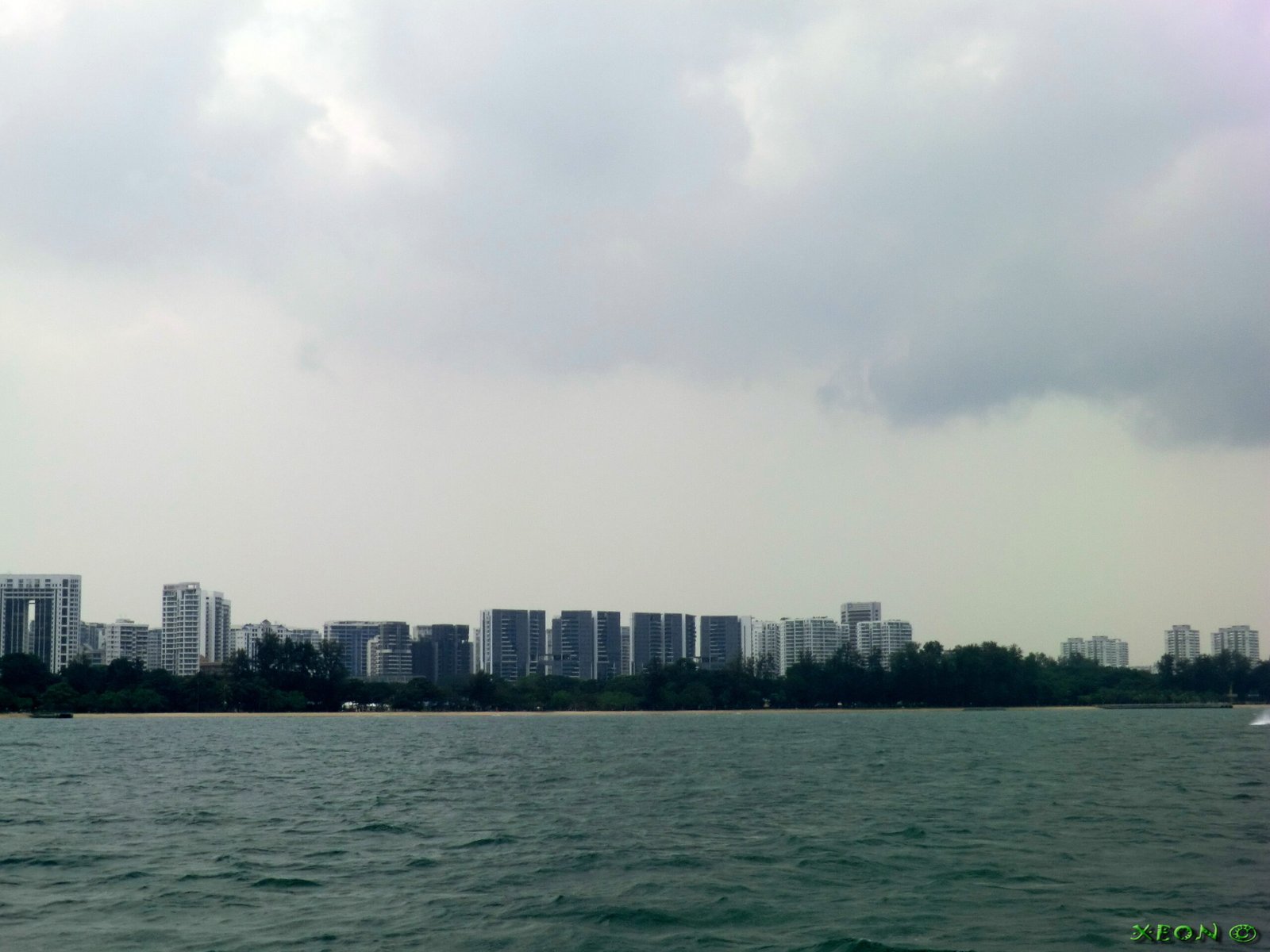
As CNA reported, East Coast Park is among the low-lying coastal areas mentioned in the warning. People planning outdoor activities should check official weather and park notices before travelling. Motorists should pay attention to road warnings and avoid attempting to drive through floodwater. Pedestrians should avoid flooded drains and paths.
PUB recommends monitoring its flood alerts and the myENV application. Businesses in flood-prone premises can review their access routes, drainage maintenance and procedures for protecting vulnerable stock or equipment. Early preparation is more reliable than trying to move heavy items after water has begun rising.
A wider lesson about flood resilience
Singapore’s long-term challenge is that intense rainfall and rising sea levels can place simultaneous pressure on drainage and coastal protection. Infrastructure investment, early warning and land-use decisions therefore need to work together. A new drain may improve inland water movement but still face constraints when its outlet meets an elevated sea level.
For the coming days, the most important distinction is between a forecast risk window and a confirmed flooding incident. Residents should use current official updates, not treat the dates as a reason to assume every journey will be disrupted.