SINGAPORE,- Singapore is continuing to examine small modular nuclear reactors as a potential long-term source of low-carbon electricity, while stressing that no decision has been taken to build a nuclear power plant. Minister for Energy, Trade and Industry (Energy and Industry) Tan See Leng discussed the prospects and safety considerations in media remarks reported on 20 November. The central policy issue is whether emerging designs could eventually provide dependable power within a small and densely populated country.
The government plans to begin the first phase of the International Atomic Energy Agency’s Integrated Nuclear Infrastructure Review (INIR) in 2027. This independent assessment will evaluate whether Singapore has the institutions, expertise and regulatory foundations required to make an informed decision. As the Ministry of Energy, Trade and Industry explained in Parliament, the review is not an approval to deploy nuclear energy.
What makes a small modular reactor different?
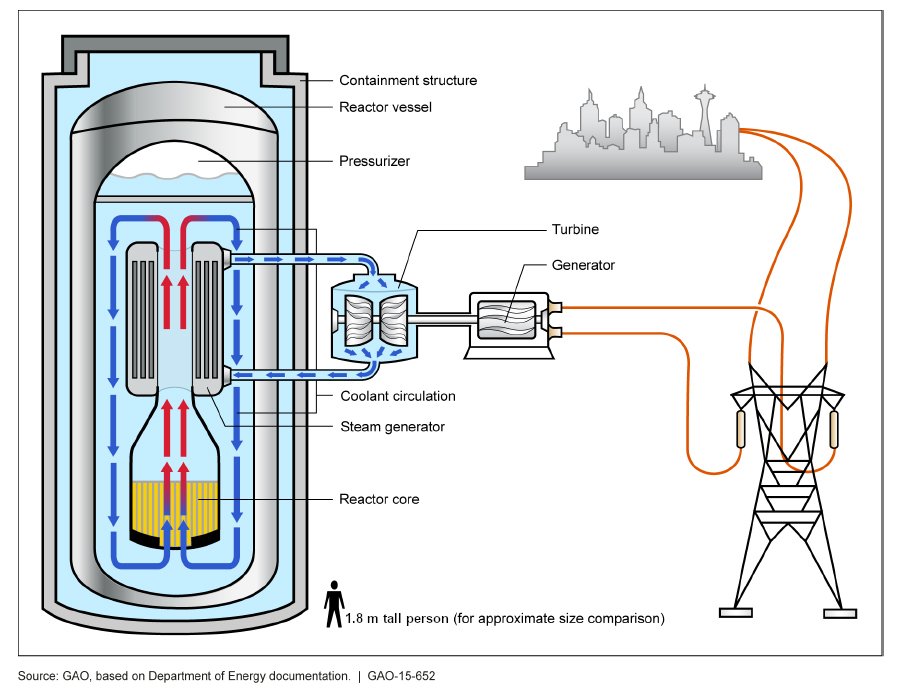
Small modular reactors, or SMRs, are designs intended to generate less power per unit than conventional large nuclear plants. Some aim to use factory-produced components and enhanced safety features, though the degree of maturity differs greatly between designs. A smaller reactor does not automatically eliminate risks associated with radioactive material, waste, security or accidents.
Unlike solar and wind generation, a nuclear plant can potentially provide electricity steadily, subject to maintenance and operational constraints. This makes it an option for countries seeking to reduce fossil-fuel use while maintaining reliable power for industry and homes. However, financial viability depends on construction costs, regulation, financing and the performance of actual commercial projects.
Why energy diversification matters to Singapore
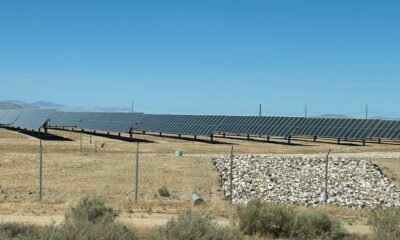
Natural gas still supplies the large majority of Singapore’s electricity generation. Recent reductions in piped gas imports from Indonesia, although limited, have underlined why policymakers want multiple supply options. Solar power, cross-border electricity imports, energy storage and other emerging technologies can contribute, but each has limitations of land, resource availability or infrastructure.
Nuclear power would bring different risks and benefits. Its emissions during operation are relatively low, but plants require careful management over decades. Safety systems, emergency planning, spent-fuel management and a trained workforce would all need credible arrangements before deployment could be considered.
The ministry’s nuclear-energy overview notes that a 2012 pre-feasibility study found technologies available then unsuitable for Singapore. That historical finding helps explain the focus on assessing newer designs rather than assuming conventional plants are now practical.
What remains unknown?
There is no announced site, plant size, construction schedule or electricity price for a Singapore nuclear facility. The ministry has said it is premature to define safety buffer zones or decide whether an installation could be located underground or offshore. These uncertainties are fundamental, not minor details left out of a final project plan.
Likewise, assertions that nuclear energy would automatically lower household bills are unsupported without a specific design and financing model. The government’s October parliamentary reply explicitly said cost projections could not yet be established.
What will happen next?
The review may conclude towards the end of 2027 or during 2028, after which the government intends to share its independent findings and allow public input. Further technical, legal and economic studies may still be needed even if the review finds sufficient institutional readiness.
Singapore’s approach is therefore best understood as capability building, not the launch of a reactor programme. For residents, informed debate should focus on evidence about safety, costs, waste and alternatives. Any future decision to deploy nuclear power would be a separate policy milestone requiring far more detail than is available today.