Tech
TCL Unveils 10.95-Inch RGBX OLED Displays for Next-Gen Tablets

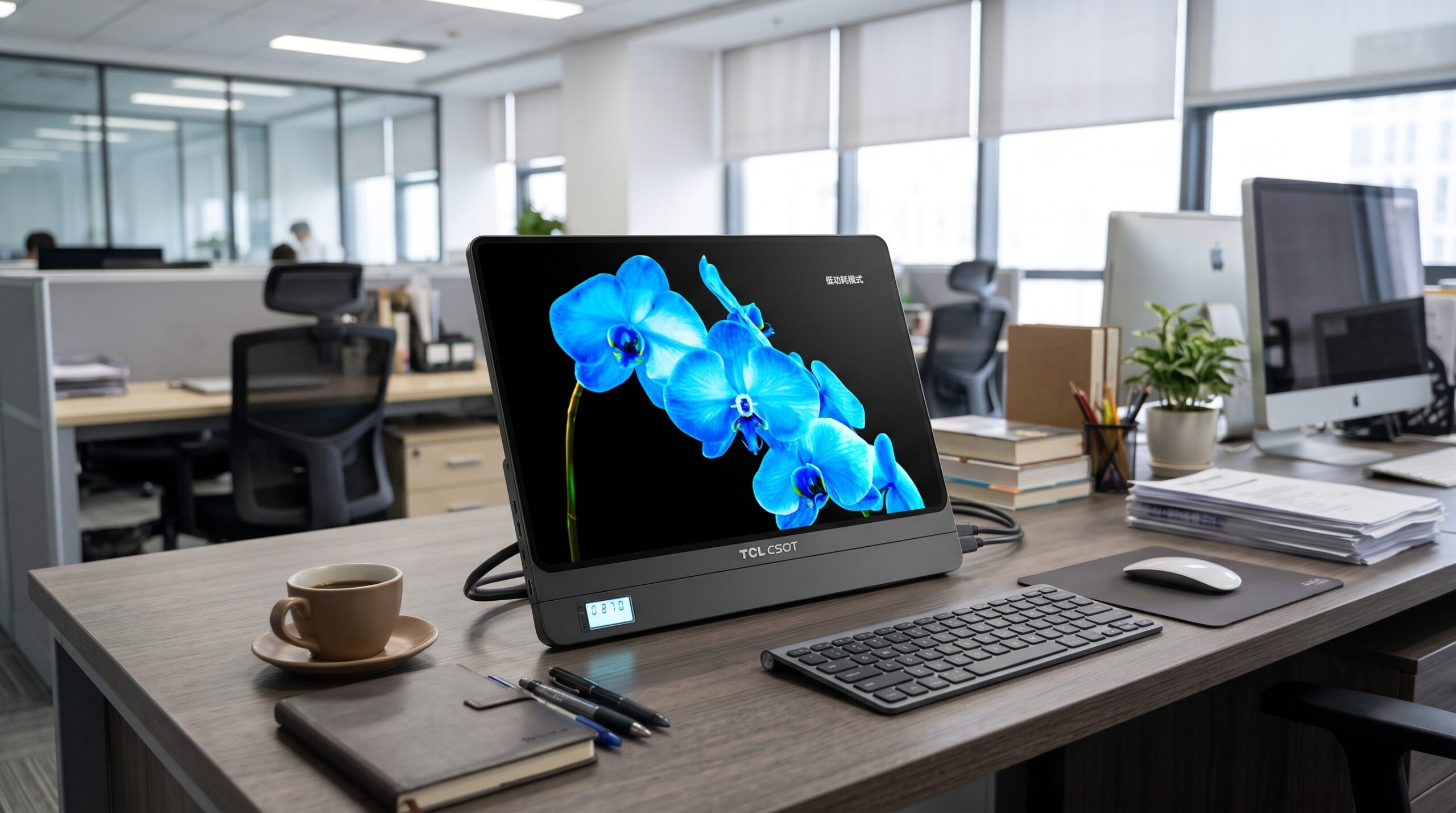
TECH – TCL is exploring a new direction in tablet display technology with three innovative OLED panels featuring an upgraded four-subpixel architecture. Unveiled by its display manufacturing division, TCL CSOT, at the DTC 2026 event in China, the prototypes introduce RGBX technology, which adds a fourth subpixel to the traditional red, green and blue arrangement. According to Notebookcheck, each panel measures 10.95 inches and is designed to improve a different aspect of the viewing experience.
Despite their different capabilities, all three displays share the same fundamental specifications. They offer a resolution of 2,456 x 1,536 pixels and a pixel density of approximately 265 PPI. The main difference lies in how each panel uses its additional subpixel to deliver improvements in color reproduction, energy efficiency or eye comfort.
The first prototype focuses on expanding color accuracy and reproduction. It incorporates an additional deep-red subpixel alongside the conventional RGB arrangement, allowing users to switch between two color gamut modes. TCL CSOT claims the display covers 89% of the BT.2020 color space in standard mode, increasing to 95% when wide-gamut mode is activated. This could make the panel particularly appealing for users who regularly edit photographs, watch high-quality videos or work with visually demanding content.
Read More: Huawei Confirms November 20 Launch for New Osta Smartphone Brand
The second display prioritizes power efficiency by introducing an additional blue subpixel using phosphorescent technology. According to TCL CSOT, activating its low-power mode can reduce display energy consumption by 20% compared with the standard mode while maintaining the same brightness. Such an improvement could help extend battery life on future tablets.
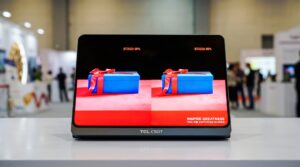
Meanwhile, the third prototype is designed with eye comfort in mind. It features an additional light-blue subpixel and offers both standard and eye-care viewing modes. TCL CSOT claims its eye-care configuration reduces the panel’s blue-light hazard metric from 5% to just 0.5%, potentially making extended reading and screen usage more comfortable.
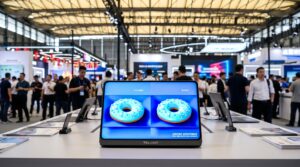
However, these developments remain experimental. TCL CSOT has not announced when mass production will begin or which commercial tablet manufacturers might adopt the technology.
The three prototypes demonstrate how display manufacturers are looking beyond resolution and refresh rates, exploring new pixel architectures to improve everyday screen experiences.