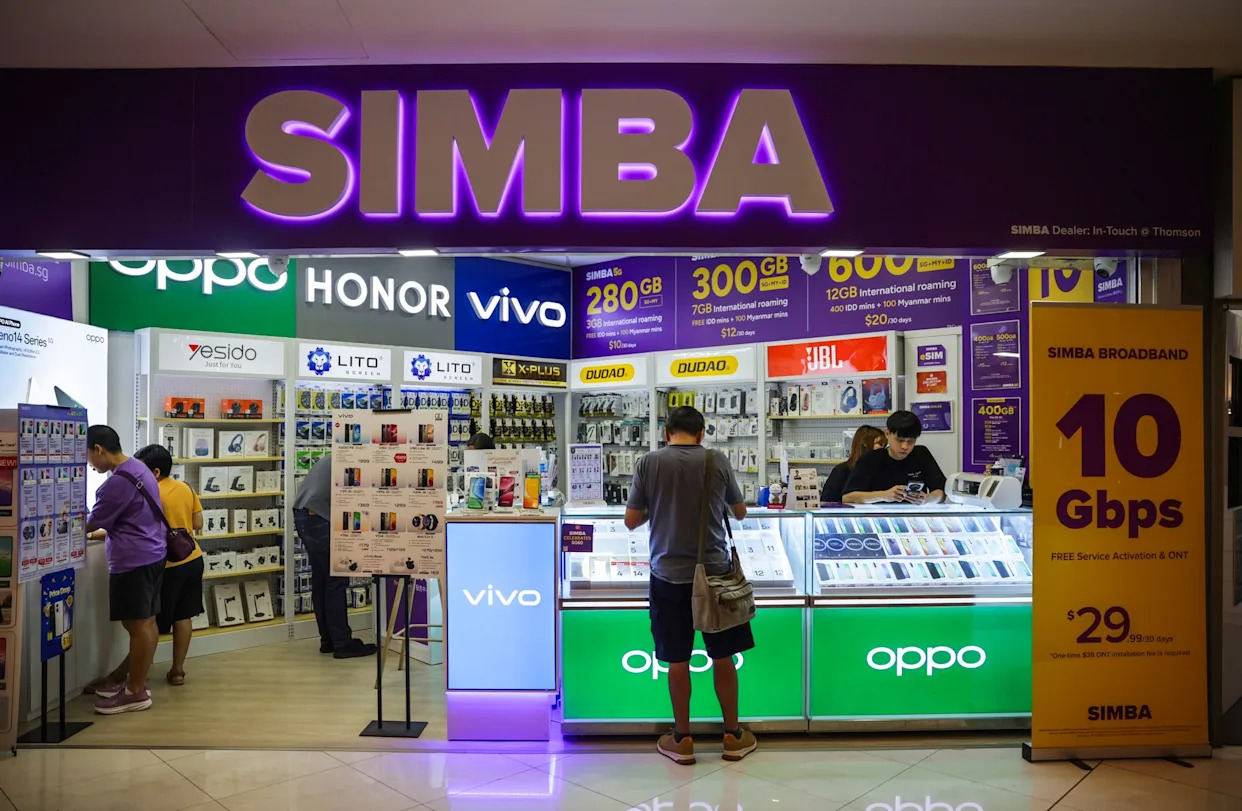
SINGAPORE – Singapore’s telecommunications industry has been thrown into uncertainty after regulators suspended their review of Simba Telecom’s proposed acquisition of M1, a move that now places Keppel’s billion-dollar sale in jeopardy. According to Channel News Asia, the Infocomm Media Development Authority (IMDA) halted the assessment after discovering that Simba may have used radio frequency bands that were not officially assigned to it for mobile services. The issue has quickly escalated into a major regulatory investigation with potential consequences for one of Singapore’s biggest telecom consolidation plans.
The proposed deal, first announced in 2025, would have seen Simba acquire M1’s telecom operations from Keppel in a transaction valued at around S$1.43 billion. The merger was widely viewed as a transformative shift in Singapore’s telecom landscape, potentially creating a stronger competitor against dominant operators such as Singtel and StarHub. Analysts had also suggested the consolidation could intensify pricing competition and reshape the country’s mobile market.
However, IMDA’s investigation changed the trajectory almost overnight. The regulator stated that Simba’s alleged use of unauthorized spectrum could represent a breach of Singapore’s Telecommunications Act and the conditions attached to its operating license. Under local law, penalties for such violations can reach S$1 million or up to 10% of annual turnover, whichever is higher. The authority added that its review of the merger would remain suspended until the investigation concludes.
Read More: Search for Two Singaporeans on Mount Dukono Disrupted by Eruptions
Simba responded by saying it is fully cooperating with regulators while reviewing the circumstances surrounding the alleged spectrum use. Yet the market reaction was swift and severe. Shares of Tuas Limited, Simba’s Australian parent company, plunged dramatically after the announcement, reflecting investor fears that the acquisition may collapse entirely. Reuters reported that the stock lost more than half its value during trading following the news.
Keppel chief executive Loh Chin Hua acknowledged the growing uncertainty surrounding the transaction. “We understand IMDA’s considerations and respect its decision,” the company said in a public response. Keppel also confirmed that it is prepared to allow the agreement to lapse beyond its May deadline while activating an internal “Plan B” focused on improving M1’s operational efficiency.
Despite the setback, Keppel signaled that it remains open to future divestment opportunities and industry consolidation. For now, though, the situation leaves Singapore’s telecom sector balancing between ambition and regulatory scrutiny, where a single spectrum dispute has the power to reshape an entire billion-dollar merger.