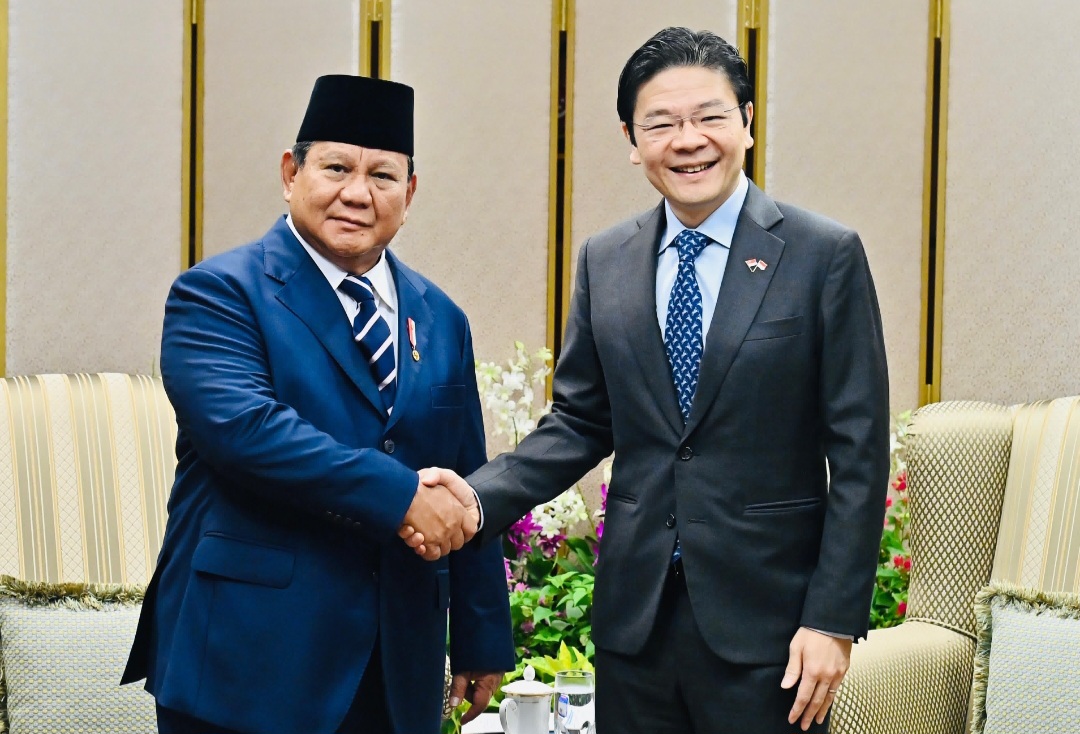
SINGAPORE – Singapore’s Prime Minister Lawrence Wong touched down in Jakarta on July 6, 2026, for a second round of the Singapore-Indonesia Leaders’ Retreat, an annual gathering that brings together the two countries’ top leadership to take stock of shared projects and chart fresh ground for cooperation. As reported by Channel NewsAsia, the visit marks a follow-up to the pair’s first retreat, held in Singapore back in June 2025, continuing a tradition that has run for years as the highest-level bilateral platform between the neighbors.
Hosting the retreat is Indonesian President Prabowo Subianto, with whom Wong is expected to review progress on joint initiatives launched since their last sit-down and explore new areas where both nations stand to benefit from closer ties. Trade, investment, connectivity, and defense are among the recurring themes at these meetings, alongside broader conversations about regional and global affairs that inevitably touch both economies.
Wong isn’t traveling alone. He’s bringing a heavyweight delegation that includes Deputy Prime Minister Gan Kim Yong, Coordinating Minister Chan Chun Sing, Foreign Minister Vivian Balakrishnan, and several other cabinet members overseeing social development, manpower, and energy portfolios. Their presence signals just how broad the agenda is expected to be, spanning economic policy, security cooperation, and social programs alike.
Read More:
Singapore’s Prime Minister’s Office described the significance of the trip plainly: “The Leaders’ Retreat reaffirms the deep and enduring bilateral ties between Singapore and Indonesia, and the commitment by both governments to deepening bilateral cooperation.”
The timing is notable given the economic weight both countries carry for each other. Singapore remained Indonesia’s largest source of foreign direct investment in 2025, pouring in roughly US$17.4 billion, a figure that underscores why these retreats carry more than just symbolic value. Beyond the numbers, the meeting also serves as a barometer for how Wong and Prabowo, both relatively new to their top roles compared to their predecessors, are shaping their working relationship going forward, one that will likely influence how Southeast Asia’s two most closely linked economies navigate an increasingly complex regional landscape together.