INTERNATIONAL – The United States has temporarily suspended its naval escort operation in the Strait of Hormuz, signaling a cautious shift from military posture toward diplomatic engagement as tensions with Iran show signs of easing.
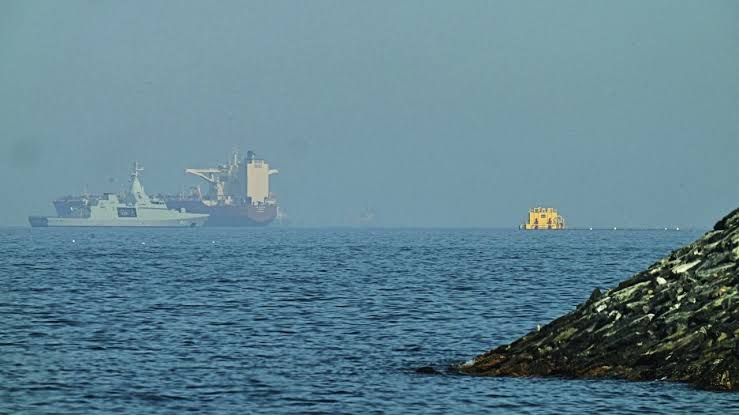
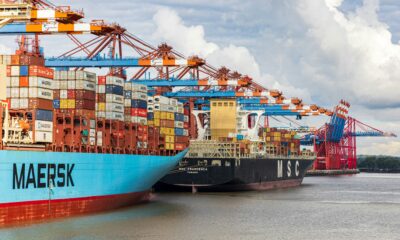
The mission—known as “Project Freedom”—was initially launched to safeguard commercial vessels stranded amid escalating conflict in one of the world’s most critical maritime corridors. The Strait of Hormuz, a narrow yet vital passage, handles a significant portion of global oil shipments, making any disruption a matter of international concern. In recent weeks, heightened hostilities had effectively restricted access to the waterway, leaving hundreds of ships delayed and global markets on edge.
Read More: Singapore, NZ Seal First Binding Essential Trade Pact
Under the operation, U.S. naval forces escorted tankers and cargo vessels through the strait, gradually restoring limited movement. Early progress suggested that the mission was succeeding in stabilizing transit routes and reducing immediate risks to shipping. However, just as momentum began to build, Washington made the unexpected decision to pause the operation.
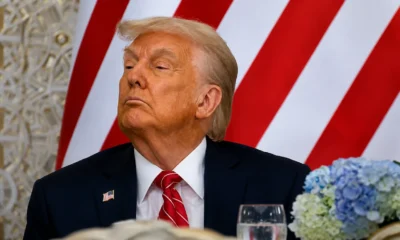
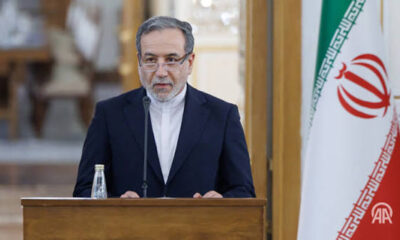
Officials described the move as strategic rather than reactive. The suspension reflects growing optimism around ongoing diplomatic efforts aimed at de-escalating tensions with Iran. According to senior figures, the pause is intended to create space for negotiations, suggesting that continued military activity could complicate delicate talks behind closed doors.
U.S. leadership emphasized that the mission was never intended as an offensive measure. Instead, it was framed as a temporary effort focused solely on ensuring maritime safety and protecting global trade flows. Defense authorities reiterated that the operation could be resumed if conditions deteriorate or if commercial shipping faces renewed threats.
Read More: Reddit Shares Surge After Strong Q1 Revenue Beat
Despite this pause, the situation remains fragile. The Strait of Hormuz continues to be a geopolitical flashpoint, where even minor disruptions can send shockwaves through energy markets worldwide. Analysts warn that while diplomacy may offer a path forward, underlying tensions have not fully dissipated.
For now, the halt in operations represents a moment of restraint—an attempt to replace confrontation with dialogue. Whether this calculated pause leads to lasting stability or merely precedes another escalation remains uncertain, but the world is watching closely as events continue to unfold.