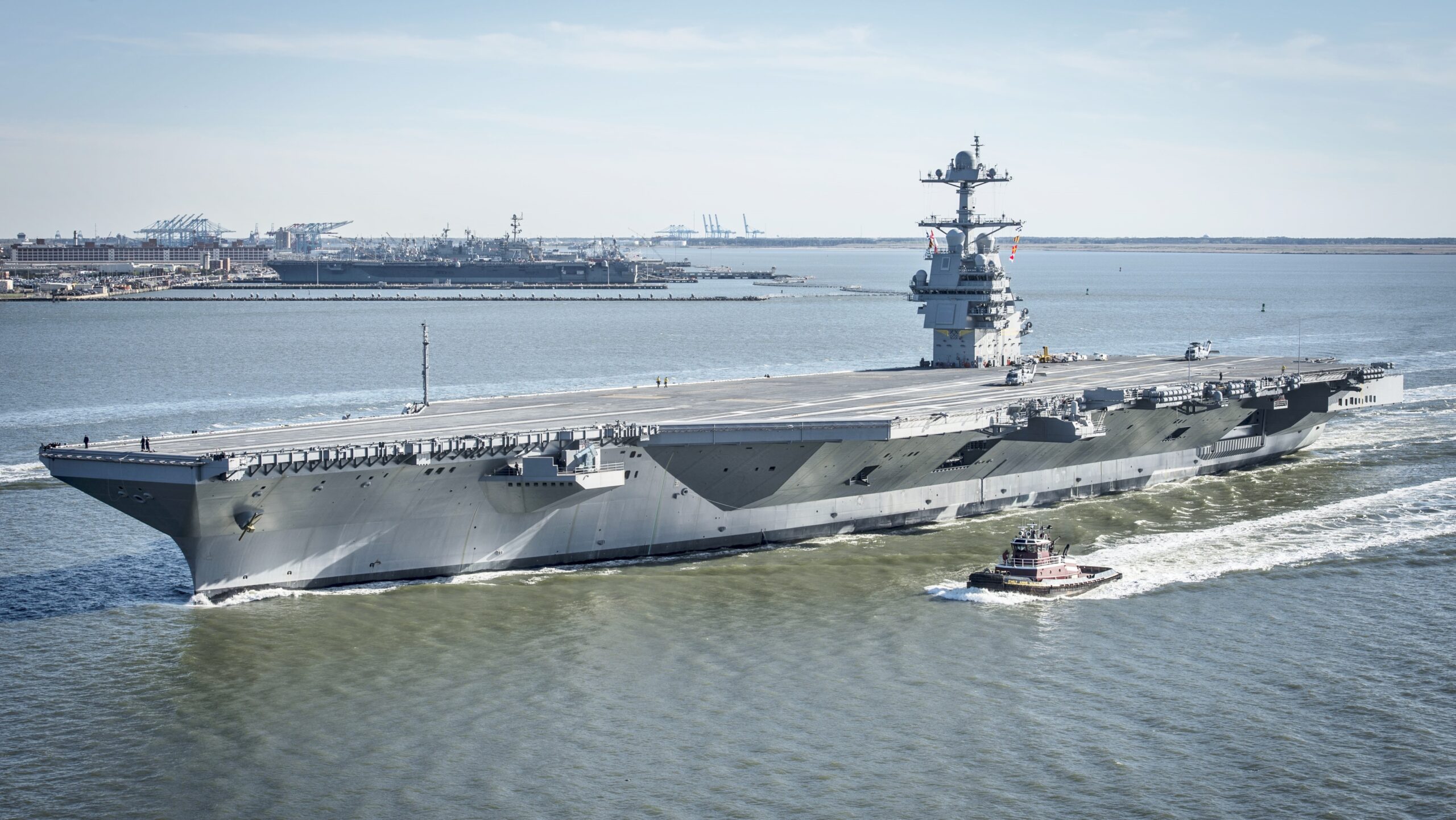
INTERNASIONAL – The drumbeat of conflict between the United States and Iran is growing louder, echoing across diplomatic channels and military decks alike. In the shadow of stagnating nuclear negotiations and simmering regional unrest, Washington has marshaled a formidable military presence in the Middle East — a show of might that now includes approximately 16 warships, seven air wings and around 40,000 troops, according to reports citing Financial Times and other outlets.
From the arid sands of Jordan to the strategic deep waters of the Persian Gulf, U.S. aircraft and warships — most notably the twin carrier strike groups centered around the USS Abraham Lincoln and USS Gerald R. Ford — have converged in what analysts describe as the largest American military footing in the region since the 2003 Iraq invasion. Fighter jets, tankers, early warning aircraft, and missile defense systems now dot bases from Saudi Arabia to Qatar, while naval vessels patrol the approaches to the Strait of Hormuz, a choke point crucial to global oil flows.
Read More: U.S. Military Readies for Possible Iran Strike, Tensions Escalate
President Donald Trump, grappling with a diplomatic impasse over Iran’s nuclear ambitions, has framed the buildup as both pressure and patience combined. On Truth Social, Trump recently warned Tehran that time was short for reaching a meaningful agreement, with a decision on whether to strike looming in the coming days. But behind the steel hulls and roaring turbines lies a tense refrain of uncertainty: will this be deterrence or a prelude to war?
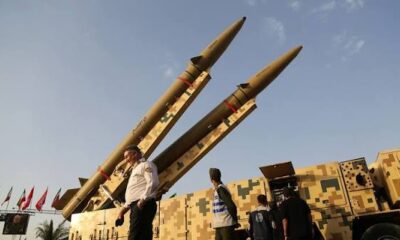
Tehran, for its part, has not been idle. Iran’s Islamic Revolutionary Guard Corps has staged large-scale drills along its southern coast and in the Strait of Hormuz, showcasing modern combat technologies and signaling readiness for confrontation. Iranian officials have dismissed U.S. threats as psychological warfare, warning that any attack on Iranian soil would be met with swift and decisive countermeasures.
The atmosphere on the ground is tense. Ordinary Iranians voice growing anxiety about the specter of war. Ladan Moallem, a teacher from Bushehr, candidly encapsulated this unease, saying, “Like it or not, we are inching closer to war, and people can only watch.”
As diplomats haggle and generals position their fleets, the world watches — tense, uncertain, and acutely aware that the ripples from this standoff could spread far beyond the sandy expanses of the Gulf.