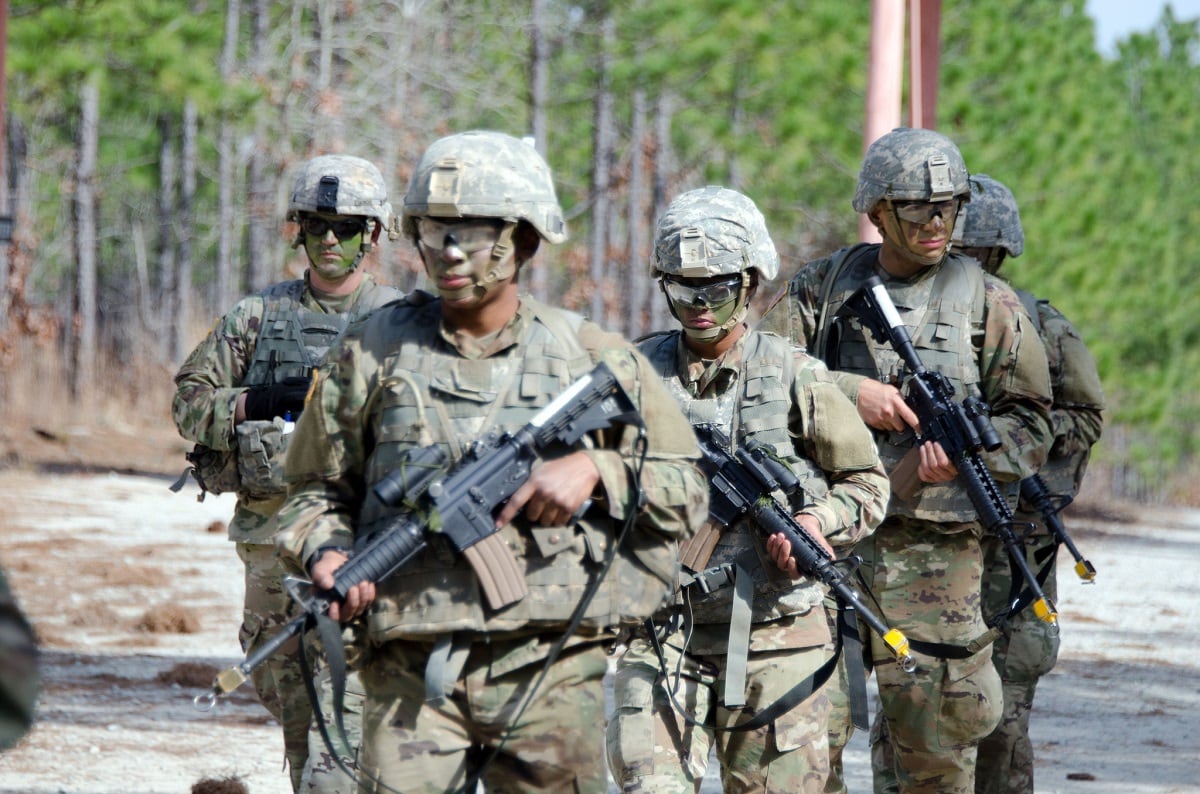
INTERNATIONAL – The growing cost of the conflict involving Iran is placing heavy financial pressure on the Pentagon, forcing the US military to reduce training exercises, delay maintenance work, and reconsider daily operational spending. According to a report by CNN, defense officials and military leaders are increasingly concerned that the current budget cannot sustain the expanding demands of the war without urgent action from Congress.
Senior military commanders revealed that funds originally allocated for routine military readiness are now being redirected to support operations connected to Iran and deployments along the southern US border. Admiral Daryl Caudle, the US Navy’s top officer, warned lawmakers that the Navy’s 2026 budget “did not include Operation Epic Fury,” referring to the military campaign linked to the Iran conflict.
He explained that the consequences are already visible in routine operations, including cuts to training schedules, flight-hour programs, and preparation for new recruits. “I will have to start making decisions to change training, operations, certification events,” Caudle told members of Congress, adding that these difficult choices could begin as early as July.
Read More: Xi Welcomes Putin in Beijing With Veiled Swipe at US
CNN also reported that internal military documents showed the Army’s III Armored Corps in Texas suffered a training budget reduction of nearly $292 million in late April. The command oversees roughly 70,000 soldiers and hundreds of tanks, making it one of the Army’s most significant combat units. Elsewhere, the Army Medical Department reportedly canceled dozens of training courses and withdrew centralized funding for others as budget concerns intensified.
Pentagon comptroller Jules Hurst III informed lawmakers that the conflict has already cost around $29 billion, although some officials believe the actual figure could rise closer to $40 billion or even $50 billion once damaged infrastructure and long-term maintenance costs are included. Defense budget expert Todd Harrison noted that operations and maintenance accounts fund nearly everything from fuel and travel expenses to equipment repairs and civilian salaries.
He explained that when wartime expenses rise unexpectedly, the military is often forced to sacrifice nonessential activities to keep operations moving. “They are probably having to make trade-offs,” Harrison said, pointing to canceled travel and scaled-back exercises as examples.