INTERNATIONAL – In the vast, restless corridor of global trade, the Strait of Hormuz has once again become more than a passage—it is now a pressure point where geopolitics and energy security collide. According to reporting by CNBC, the escalating U.S. blockade of Iranian-linked shipping through this waterway is beginning to strain relationships with two of Asia’s largest energy consumers: China and India, both deeply reliant on the steady flow of Middle Eastern oil.
The Strait of Hormuz is no ordinary route. Nearly a fifth of the world’s oil supply passes through its narrow lanes each day, making it one of the most critical chokepoints in global energy infrastructure. When tensions rise here, the impact is rarely contained; it spreads outward, touching economies, diplomacy, and the everyday cost of living across continents.
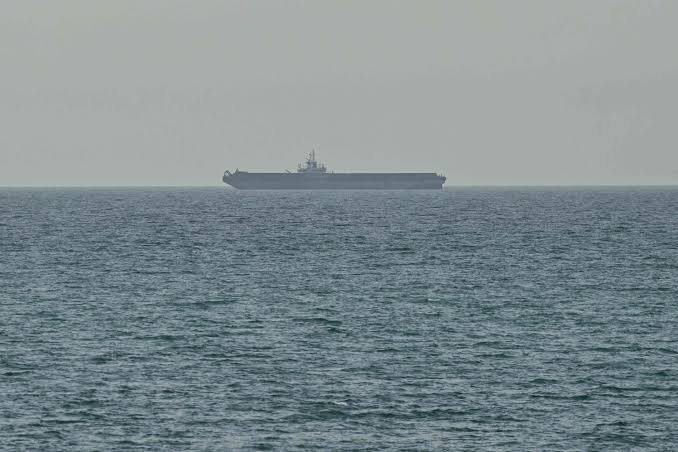
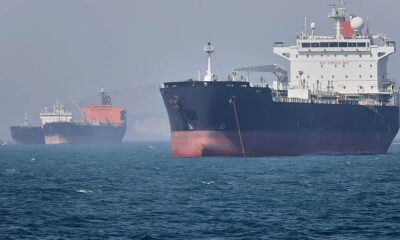
The United States’ decision to enforce a naval blockade, aimed at pressuring Iran amid ongoing conflict, has disrupted shipping patterns and forced vessels to turn back or reroute. This has triggered immediate concern in Beijing and New Delhi. China, which depends heavily on Iranian oil imports, has criticized the move as destabilizing, warning that it threatens global supply chains and energy security. India, similarly exposed to energy price volatility, faces the risk of rising import costs and inflation, as oil markets react sharply to any disruption in supply.
Read More: US-Iran Ceasefire Halts War as Hormuz Reopens
The situation is layered with complexity. While the blockade is framed by Washington as a strategic necessity, it places allied and neutral economies in a difficult position—caught between geopolitical alignment and economic survival. Analysts suggest that both China and India may seek alternative supply routes or deepen ties with other energy producers, but such adjustments take time and carry their own costs.
There is also a subtle diplomatic tension unfolding beneath the surface. The United States has called on major oil-consuming nations to support efforts to secure the strait, yet responses have been cautious. For countries like China, which balances economic interests with political positioning, the blockade represents not just a disruption, but a test of influence and resilience in a shifting global order.
Meanwhile, oil prices remain volatile, reflecting a market that is reacting not only to supply constraints but also to uncertainty itself. Shipping volumes through the strait have dropped significantly since the conflict intensified, underscoring how quickly a regional dispute can reshape global trade flows.
Read More: 20 Arrested in Singapore Scam Cases Tied to $1.3M Loss
There is a deeper current running through this moment. The Hormuz crisis is not simply about navigation—it is about interdependence. Energy, diplomacy, and strategy are now tightly woven, and when one thread is pulled, the entire fabric shifts. In that fragile weave, nations are left to navigate not just routes on a map, but the uncertain terrain of a world increasingly defined by connection and consequence.