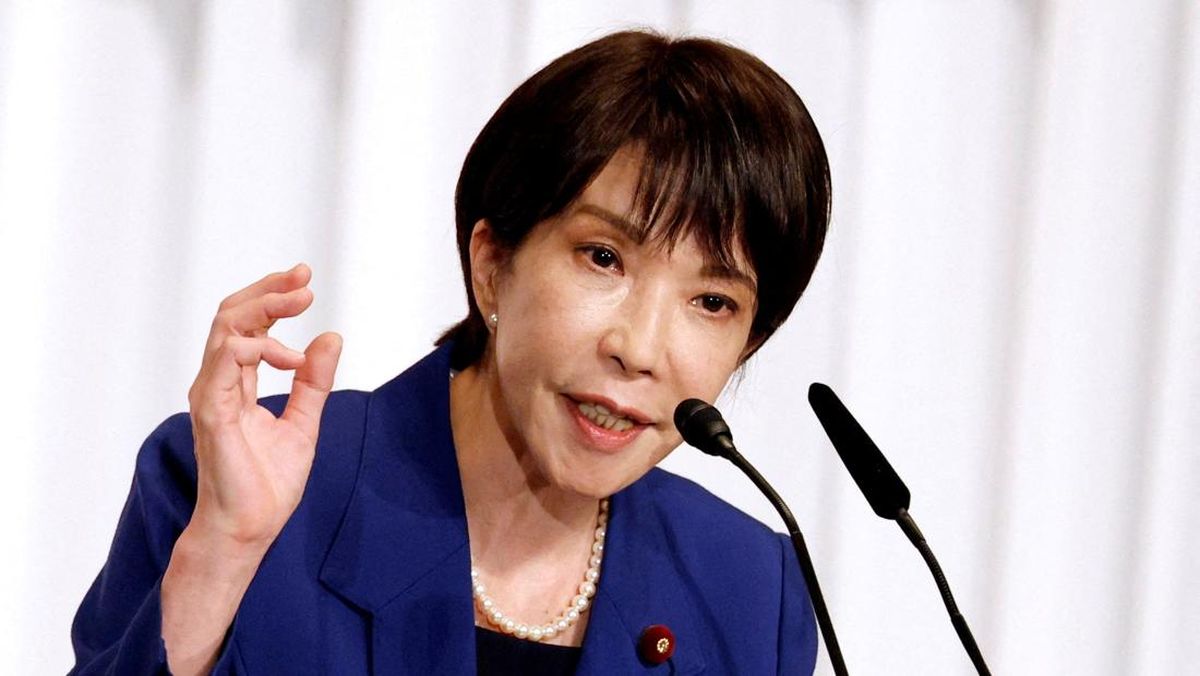
BUSINESS – Japan’s carefully plotted journey back to a budgetary surplus has taken an unexpected detour as Prime Minister Sanae Takaichi’s aggressive spending initiatives have upended forecasts for the coming fiscal year, according to Bloomberg and other official projections. Just weeks after Takaichi publicly claimed that Japan was on track to post its first primary balance surplus in 28 years, the latest Cabinet Office outlook shows instead that the government is now positioned to record a primary budget deficit of about ¥0.8 trillion ($5 billion) for the fiscal year beginning in April — a swing from a previously expected ¥3.6 trillion surplus.
At the heart of this fiscal reversal is a suite of spending measures that reflect Takaichi’s “proactive” economic strategy. Late last year, her administration pushed through a ¥21.3 trillion stimulus package, the largest extra budget since Japan’s pandemic response, aimed at cushioning households from rising prices and boosting long-term growth. Officials also approved a record ¥122 trillion budget for 2026 that expanded defense and social security outlays as inflation remains persistent.
The new deficit forecast doesn’t just represent a single fiscal blip — it signals a postponement of Japan’s broader goal to return to primary balance surplus territory, a target first established in the early 2000s. Analysts note that this isn’t entirely surprising given the size of the stimulus and the delay in implementing parts of the supplementary budget, but it does push Japan’s surplus ambitions toward fiscal 2027 instead of the current 2025–26 window.
Read More: U.S.-Taiwan Chip Pact Slashes Tariffs, Spurs $250B Tech Investment
Takaichi herself has hinted at this strategic shift, telling economic policymakers that her administration will evaluate fiscal performance over multi-year spans rather than strict annual targets.
This fiscal pivot has caused ripples beyond government forecasts. Financial markets have reacted with unease to the prospect of higher bond yields and deeper deficits, especially as Takaichi’s plans also include potential tax cuts on food ahead of a February snap election and expanded defense spending. Critics fear that while tax relief and stimulus may deliver short-term benefits for households, they complicate efforts to rein in Japan’s massive debt load — already among the highest in the developed world.
The unfolding fiscal narrative in Tokyo is, at its core, one of balancing immediate economic relief with long-term financial sustainability. Takaichi is wagering that expanded spending and a flexible view of fiscal targets will support growth and social stability, but for now, Japan’s hoped-for return to a balanced budget remains just out of reach.