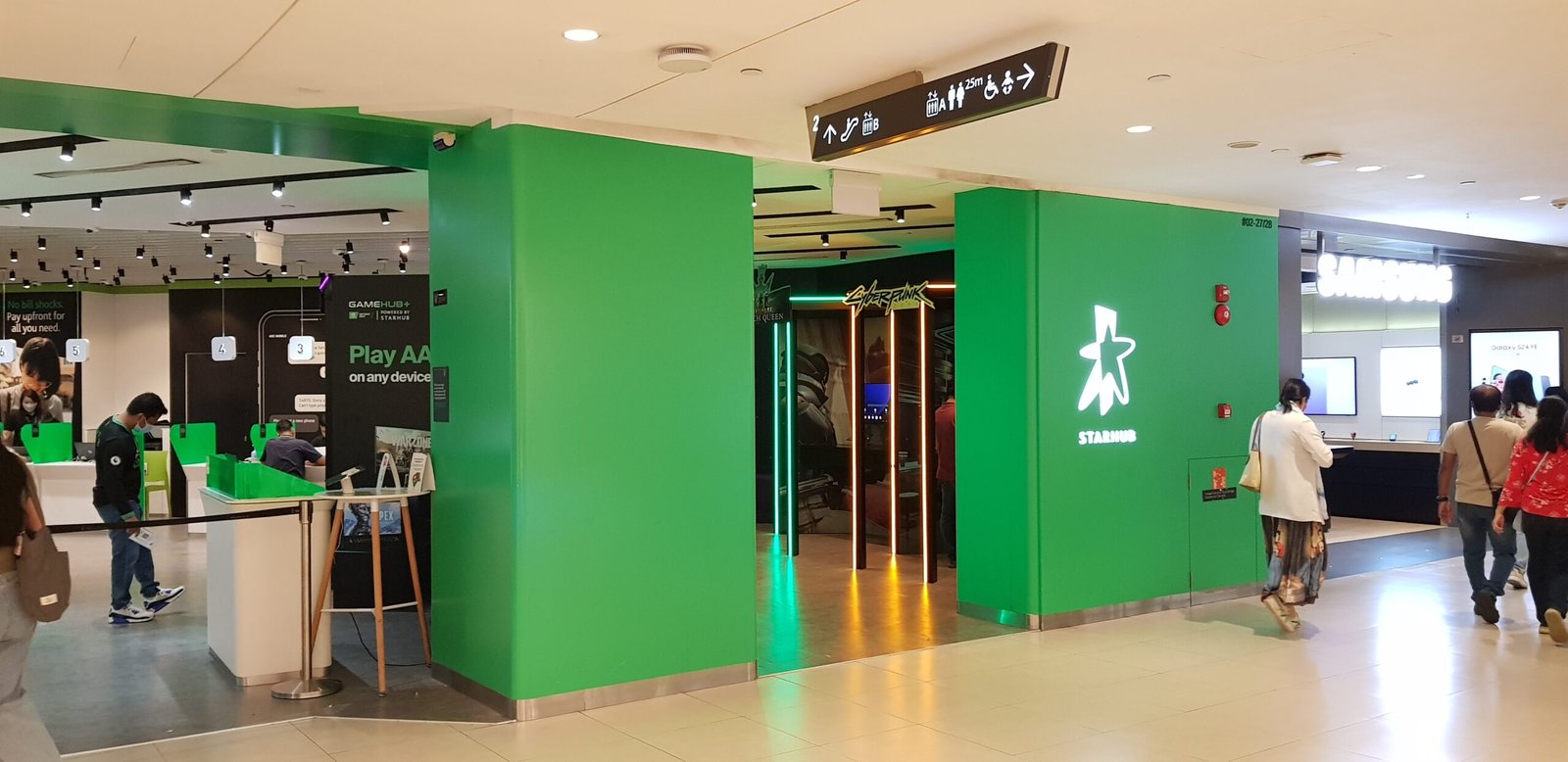
BUSINESS,- Singapore telecommunications operators StarHub and M1 have announced a proposed merger that would create a larger connectivity and digital services business. The all-share transaction, announced on 24 November, would bring together approximately 4.1 million customers. It remains subject to shareholder and regulatory approvals, meaning the companies have not yet completed their combination.
In its announcement, StarHub said the proposed transaction could generate an estimated S$1.1 billion in net present value from operating expenditure savings. The figure represents the estimated discounted value of future savings, rather than the purchase price or a guaranteed immediate reduction in expenses.
Why telecommunications operators seek scale
Telecommunications networks require substantial investment in infrastructure, software, maintenance and customer support. Combining operations may create opportunities to reduce duplicated expenditure and coordinate network investments. In principle, a larger customer base can also spread certain fixed costs over more users.
However, integrating two businesses can involve considerable initial expense. Customers may use different billing systems, contracts, network arrangements and service channels. A successful integration depends on managing those differences without disrupting connectivity or creating confusing changes to existing subscriptions.
What happens to mobile prices?
CNA’s analysis highlights questions about the effect of consolidation on mobile competition and consumer prices. A reduction in the number of major independent operators may affect the incentives to compete aggressively, although the actual outcome depends on regulatory conditions and the behaviour of remaining providers.
Efficiency savings could support network investment, improved services or competitive plans. They could also improve profitability without necessarily producing equivalent savings for customers. The merger announcement alone does not establish which outcome will occur.
Existing customers do not need to assume immediate changes
The businesses remain separate pending completion. Customers should continue to refer to the terms of their existing subscriptions and official communications. The separate acquisition involving Circles.Life should also be distinguished from the proposed StarHub-M1 combination.
As CNA reported, the parties expect the proposed combination to be completed in the first half of 2027, subject to the required approvals. That timetable is an expectation, not confirmation of closing.
What regulators and customers can assess
Relevant indicators include effective retail competition, network coverage, service quality, access for smaller providers and the availability of affordable plans. Regulators may examine whether the anticipated efficiencies outweigh potential adverse effects on competition and whether conditions are needed to protect consumers.
Customers comparing plans should pay particular attention to contract duration, roaming charges and the terms of promotional discounts. Those features may matter as much as advertised monthly prices, especially when comparing offers across existing operators during the approval process.
The proposed transaction reflects an industry facing rising technology investment requirements and pressure on operating margins. Its ultimate value should be judged through measurable improvements in connectivity and business efficiency, alongside evidence that customers retain meaningful choices. Until the approval process concludes, expectations about future plans and pricing should remain conditional.