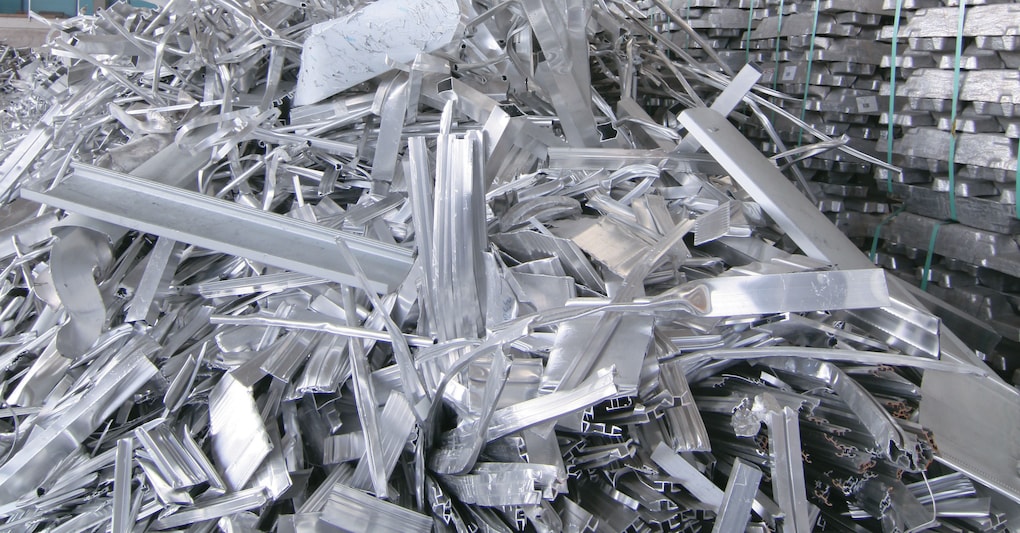
BUSINESS – European aluminium makers are calling for the European Commission to introduce a duty of roughly 30% on aluminium scrap exports. They argue that the current volume of exports is undermining domestic supply for recycling and threatening both the competitiveness of EU producers and the bloc’s decarbonisation goals.
Scrap exports from the EU surged to 1.26 million metric tons in 2024, about 50% more than five years earlier, with the majority of that going to countries in Asia. Producers attribute part of the issue to U.S. trade policies: while U.S. imposed 50% tariffs on imported aluminium products, scrap was exempted under 15% tariffs, making it more attractive for U.S. consumers—thus pulling demand away from the EU market. This divergence is said to exacerbate scrap outflows from EU territory.
Industry leaders contend that buyers in Asia can outbid EU recyclers in part because of subsidised energy, lower labour costs, and laxer environmental regulation—all of which allow Asian smelters to offer more for scrap than EU-based recycling companies can afford to match. Paul Voss, Director-General of European Aluminium, pointed out that while traders will “naturally sell to the highest bidder,” it falls to public policy to correct these kinds of market imbalances in order to “protect Europe’s strategic interests.”
Read More: Dollar Weakens, Yen Rises as Rupiah Stumbles
The sector’s push is supported by steel group Eurofer. Both groups have met with the Commission to press for the proposed export levy. The European Commission, which began monitoring aluminium scrap exports in July, has indicated it will assess whether to move forward on trade measures by the end of the third quarter of 2025.
Producers highlighted the importance of scrap in Europe’s climate agenda: recycling aluminium consumes about 95% less energy than producing primary aluminium from mined bauxite, making scrap a key component of reducing carbon emissions in metals industries. To that end, EU firms have already invested around €700 million in increasing recycling furnace capacity, aiming for 12 million tonnes of processing capacity.
Recyclers and export proponents, however, issued warnings. Representatives from recycling body EuRIC say that the large volume of scrap shipments reflects weak domestic demand in the EU and insufficient processing capacity, especially for mixed and complex scrap such as shredded vehicles. They warn that an export levy or restriction could distort the market and harm recycling operators without solving supply bottlenecks.