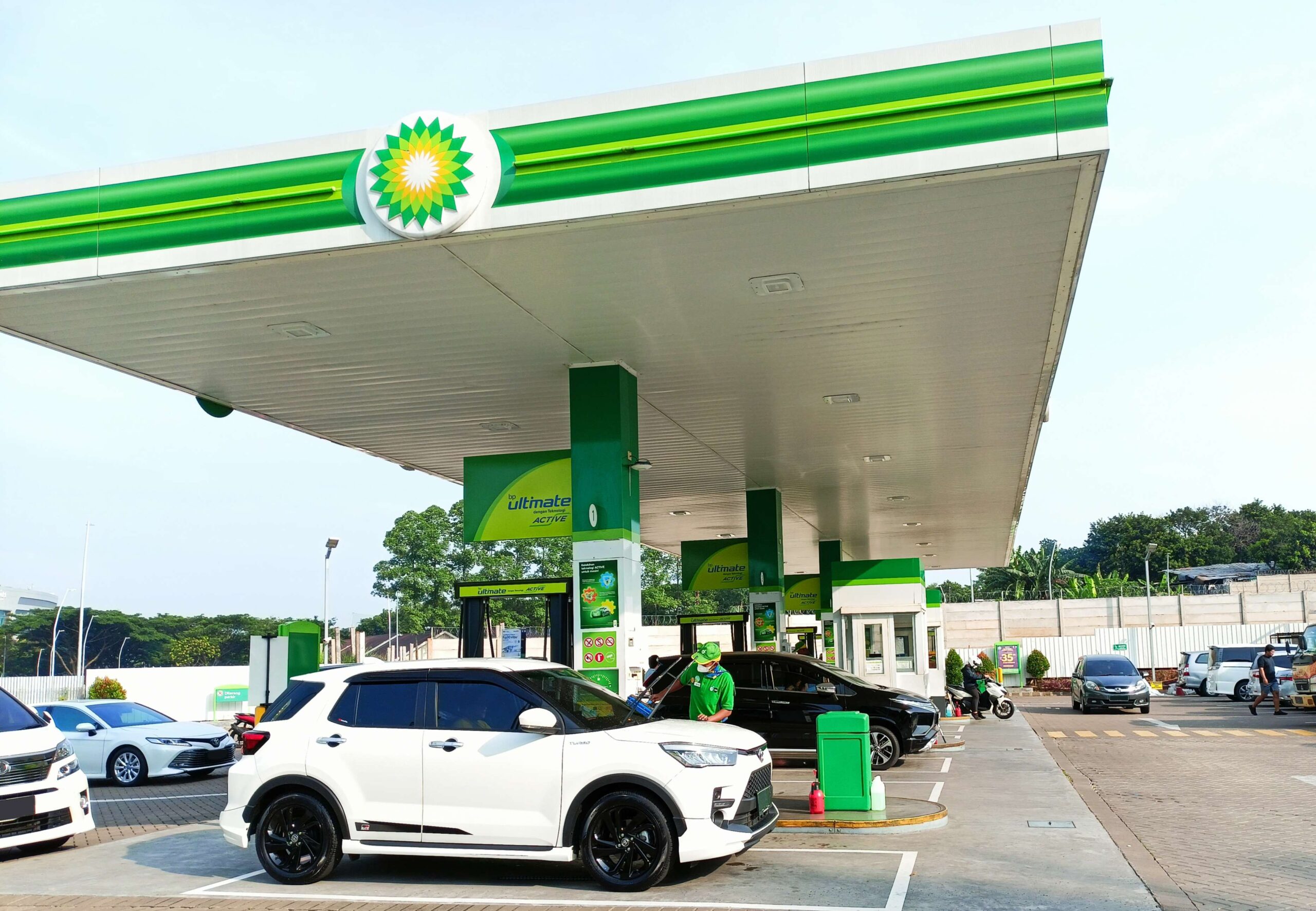
BUSINESS – Indonesian energy company BP-AKR recorded a sharp rise in profits during the third quarter of 2025, driven by stronger retail fuel sales and expansion in its service station network. According to a report cited from CNBC Indonesia, the company achieved a net profit of approximately $10.5 million, reflecting a 123% increase compared to the same period last year.
BP-AKR, officially known as PT Aneka Petroindo Raya, operates a joint venture between AKR Corporindo Tbk (AKRA) and BP (British Petroleum). The firm manages a growing chain of BP fuel stations across Indonesia, combining premium fuel products with modern service facilities such as convenience stores and electric vehicle (EV) charging points.
The company’s management reported that the substantial growth was primarily due to increased demand for non-subsidized fuel, particularly in major cities. The expansion of BP’s retail network has also played a key role, as the company opened several new service stations across Java and Sumatra throughout 2025. According to BP-AKR’s financial disclosure, revenue in Q3 surged along with higher fuel sales volume and stable margins in both retail and commercial segments.
Financial data from AKR Corporindo’s consolidated report revealed that BP-AKR contributed significantly to the parent company’s overall earnings. AKR Corporindo itself posted a total profit exceeding $110 million in the third quarter, supported by rising energy distribution and logistics income. “The collaboration with BP continues to deliver strong results as Indonesia’s energy consumption grows,” the company stated.
Read More: Loan Losses, Fraud Claims Trigger Sell-Off in U.S. Stocks
Market analysts view BP-AKR’s rapid profit growth as a reflection of shifting consumer preferences toward high-quality fuel and improved retail experiences. The joint venture’s commitment to sustainable energy is also expected to strengthen its position amid Indonesia’s ongoing fuel market liberalization.
The company plans to continue expanding its network, targeting more than 500 service stations by 2030, while gradually introducing cleaner fuels and alternative energy products. Executives also highlighted BP-AKR’s plan to enhance its EV charging infrastructure, aligning with Indonesia’s push for energy transition.
The partnership between BP and AKR has become one of the most successful foreign-local collaborations in Indonesia’s downstream energy sector. Analysts predict continued profit growth in the upcoming quarters as the firm captures a larger share of the premium fuel segment.
With Indonesia’s private fuel retail market becoming increasingly competitive, BP-AKR’s strong Q3 performance signals a promising trajectory for the company’s future expansion. The results underline how international partnerships can help accelerate modernization and efficiency in the country’s energy distribution sector.