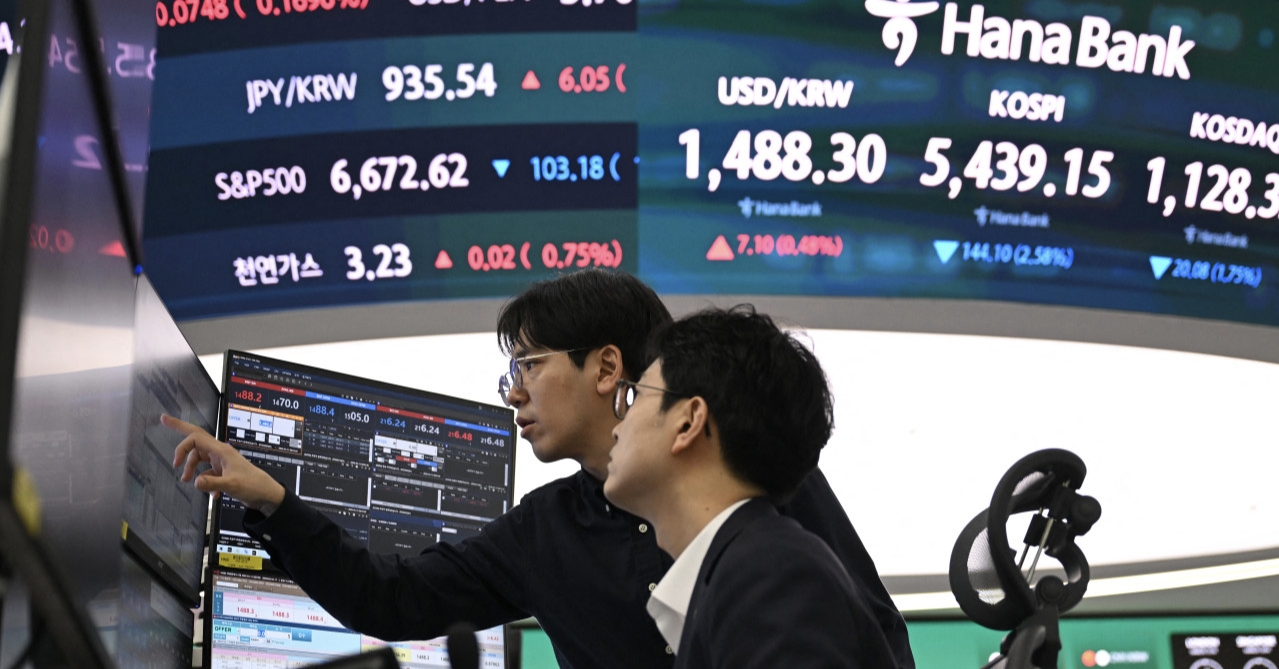
BUSINESS – In the fragile theater of global finance, where a single headline can tilt entire markets, Asia woke to a familiar unease—oil surging, stocks hesitating, and uncertainty drifting like heat above asphalt. According to reporting by CNBC, regional markets showed mixed movements as investors reacted to escalating tensions around Iran and the strategic Strait of Hormuz, a narrow passage whose significance stretches far beyond geography.
Oil prices, already restless, climbed sharply amid fears that supply disruptions could deepen. The Strait of Hormuz, a vital artery for global energy flows, handles a significant share of the world’s oil shipments, and any threat to its stability tends to ripple instantly across markets. Analysts noted that even the possibility of prolonged disruption was enough to unsettle investors, pushing crude prices upward while equities struggled to find direction.
Japan’s Nikkei 225, often a barometer of regional sentiment, reflected this tension with uneven performance, while other Asian indices moved cautiously, balancing gains in some sectors against losses in others. The mood was not panic, but something quieter—a measured hesitation, as if markets were holding their breath. Broader investor behavior echoed this tone, with capital flowing toward safer assets even as risk appetite flickered in pockets of resilience.
Read More: H&M Shares Slip as Iran War Fuels Retail Cost Fears
The underlying concern is simple yet profound. Rising oil prices act like a slow-burning fuse across the global economy, increasing transportation costs, squeezing corporate margins, and quietly reshaping consumer behavior. As one market observer put it, the current environment is being driven less by data and more by “geopolitical headlines,” a reminder that economics and politics often move in tandem when tensions rise.
Meanwhile, the United States’ stance toward Iran continues to influence sentiment worldwide. Signals of prolonged conflict have dampened earlier hopes for de-escalation, reinforcing expectations that volatility may linger. This uncertainty extends beyond energy markets, touching currencies, bonds, and even long-term growth forecasts.
There is also a subtle contradiction at play. While higher oil prices typically benefit energy stocks, they simultaneously weigh on broader indices, creating a push-and-pull dynamic that leaves markets without a clear direction. Some sectors rise, others retreat, and the overall picture becomes one of delicate imbalance.
Seen from a wider lens, this moment captures a global system on edge, where distant conflict shapes daily market rhythms. Investors are not just watching numbers—they are reading signals, interpreting risks, and navigating a landscape where certainty feels increasingly rare, and every movement carries the echo of something larger unfolding beyond the charts.