BUSINESS – Asian stock markets traded unevenly on Friday as investors reacted to volatile oil prices and rising geopolitical tensions linked to the ongoing conflict involving Iran. According to reporting by CNBC, the region’s major indexes moved in different directions as traders weighed the economic consequences of disruptions in global energy supply and uncertainty surrounding the Middle East crisis.
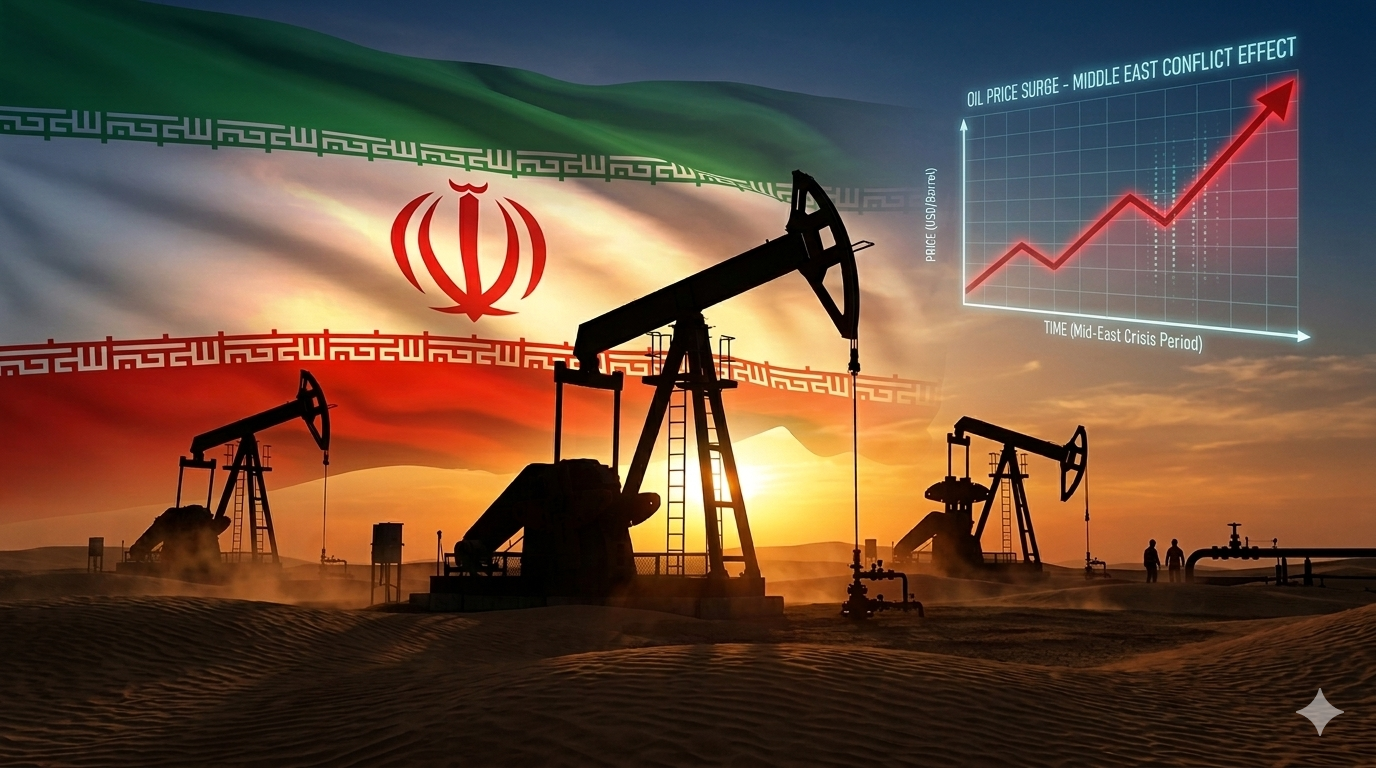
The conflict has injected a strong dose of caution into financial markets. Oil prices surged earlier in the week amid fears that shipping routes in the Strait of Hormuz—a corridor that handles roughly one-fifth of the world’s oil supply—could be disrupted by escalating hostilities. Energy markets quickly reacted to the threat, pushing crude prices sharply higher before easing slightly as traders reassessed the immediate risk to supply chains.
Across Asia, stock performance reflected that uncertainty. Japan’s Nikkei 225 managed to inch higher during trading, supported by selective gains in technology and export-oriented companies. Meanwhile, South Korea’s KOSPI slipped as investors remained cautious after a turbulent week marked by sharp swings in sentiment and heavy selling linked to energy concerns.
Read More: Asia Stocks Slide as Nikkei, Kospi and Nifty Sway on Global Cues
Elsewhere in the region, Hong Kong’s Hang Seng Index rose strongly during the session, while mainland China’s Shanghai Composite Index recorded only a modest gain. In Australia, however, equities declined as traders responded to global market signals and shifts in commodity prices.
The energy market remained a central focus for investors. Brent crude prices briefly surged toward the mid-$80-per-barrel range as traders reacted to fears of supply disruptions tied to the conflict. Analysts warn that prolonged instability in the Middle East could send oil prices significantly higher, adding inflationary pressure to the global economy and weighing on growth prospects.
Financial strategists say the current environment reflects a fragile balance between risk and opportunity. Safe-haven assets such as gold and the U.S. dollar have attracted renewed demand as investors seek protection against geopolitical shocks, while equity markets remain sensitive to every new development in the conflict.
In other words, Asian markets are navigating a delicate landscape where geopolitics, energy prices, and investor psychology intersect. As the situation in the Middle East evolves, traders across the region continue watching oil markets closely—aware that the next shift in energy prices could ripple quickly through global financial systems.