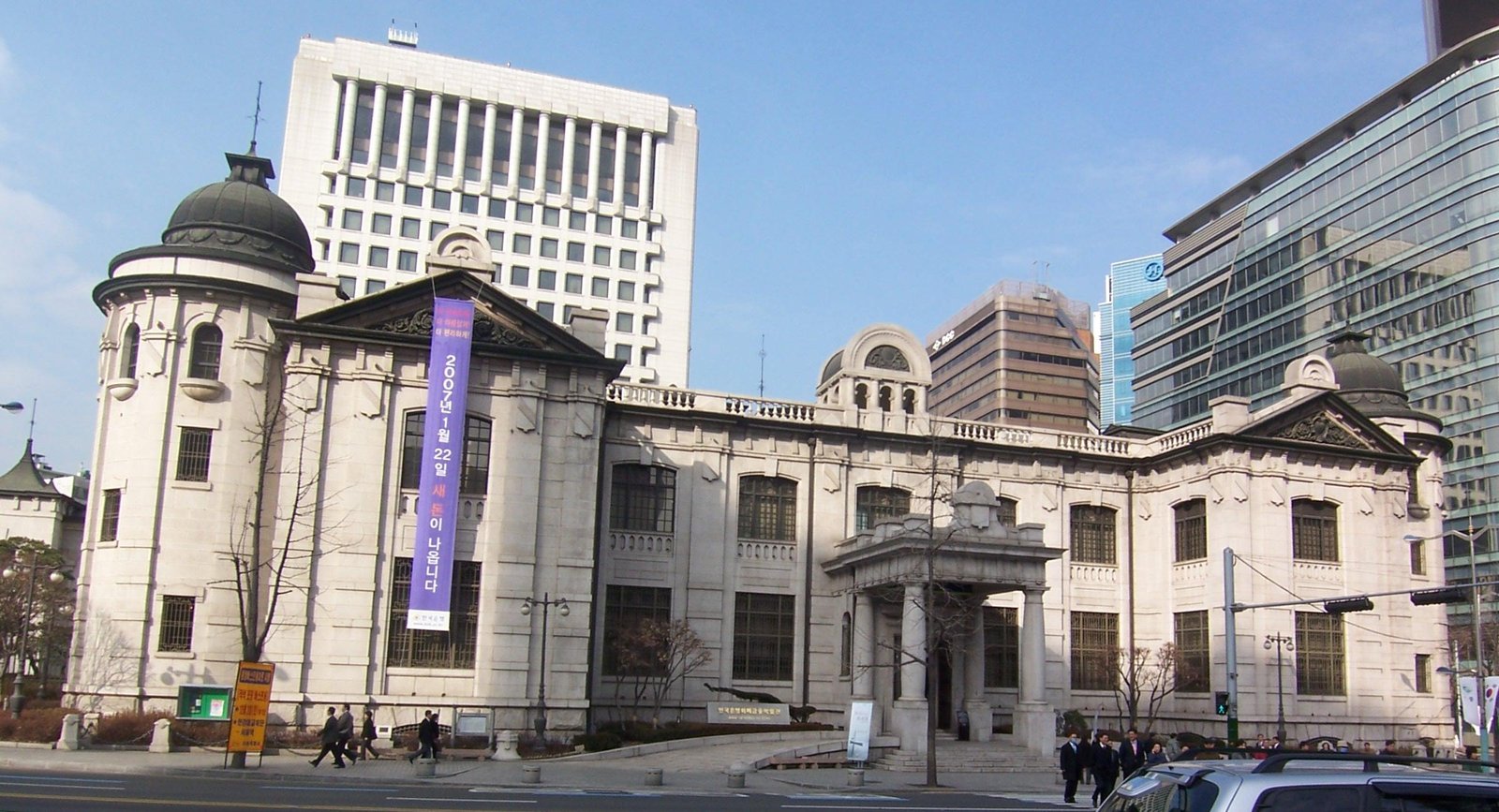
BUSINESS,- The Bank of Korea has raised its benchmark interest rate from 3.00 per cent to 3.25 per cent, tightening monetary policy as inflationary pressures persist. The decision on 26 November 2026 was reached by a five-to-two vote, reflecting differing views among policymakers over the appropriate response to economic conditions.
The central bank’s monetary policy decision outlines the assessment underpinning the quarter-percentage-point increase. Consumer price inflation was 2.8 per cent in October, above the bank’s two per cent target.
Inflation and economic growth
Higher policy rates are generally intended to restrain inflation by making borrowing more expensive and reducing demand. The process is not immediate, and its effectiveness varies depending on household debt, business financing structures and conditions in domestic and international markets.
As Reuters reported, the bank expects economic growth of 3.9 per cent in 2026 and 4.1 per cent in 2027. Those projections suggest policymakers are balancing inflation concerns against an economy expected to continue expanding. Forecasts remain conditional on developments in domestic activity and external demand.
How higher rates affect businesses
For South Korean companies, the immediate effect depends on the composition of their borrowing. Firms with floating-rate debt may experience higher interest payments relatively quickly, whereas borrowers with fixed-rate financing may encounter changes when they refinance.
The impact can also differ across sectors. Capital-intensive manufacturing businesses often require significant investment in equipment and facilities. Smaller service businesses may be particularly sensitive to changes in cash flow and consumer spending. A rate increase does not necessarily lead to an identical rise in all commercial lending rates.
Regional implications
South Korea is an important supplier of semiconductors, electronics, automotive products and industrial equipment to markets across Asia. Changes in its monetary policy may influence investment decisions and financial conditions in companies connected to these sectors.
Exchange-rate movements are another consideration, although their direction cannot be predicted from the interest rate decision alone. Global interest rates, trade developments, investor sentiment and capital flows also influence the Korean won. Importers and exporters should therefore assess currency exposure separately from domestic borrowing costs.
The divided vote is a useful reminder that central bank decisions involve judgement under uncertainty. Future policy will depend on new inflation data, economic activity and financial stability considerations rather than follow a predetermined path.
For businesses in Singapore and elsewhere in Southeast Asia, the most practical approach is to monitor Korean suppliers’ financing conditions, demand indicators and currency developments. The latest decision signals the Bank of Korea’s willingness to tighten policy, but the consequences for individual industries will emerge over time.
Households with variable-rate mortgages may also experience pressure on disposable income. That can affect domestic retailers and service providers, while savers may receive better deposit rates. The overall transmission of monetary policy will depend on how lenders adjust their terms and how households respond.