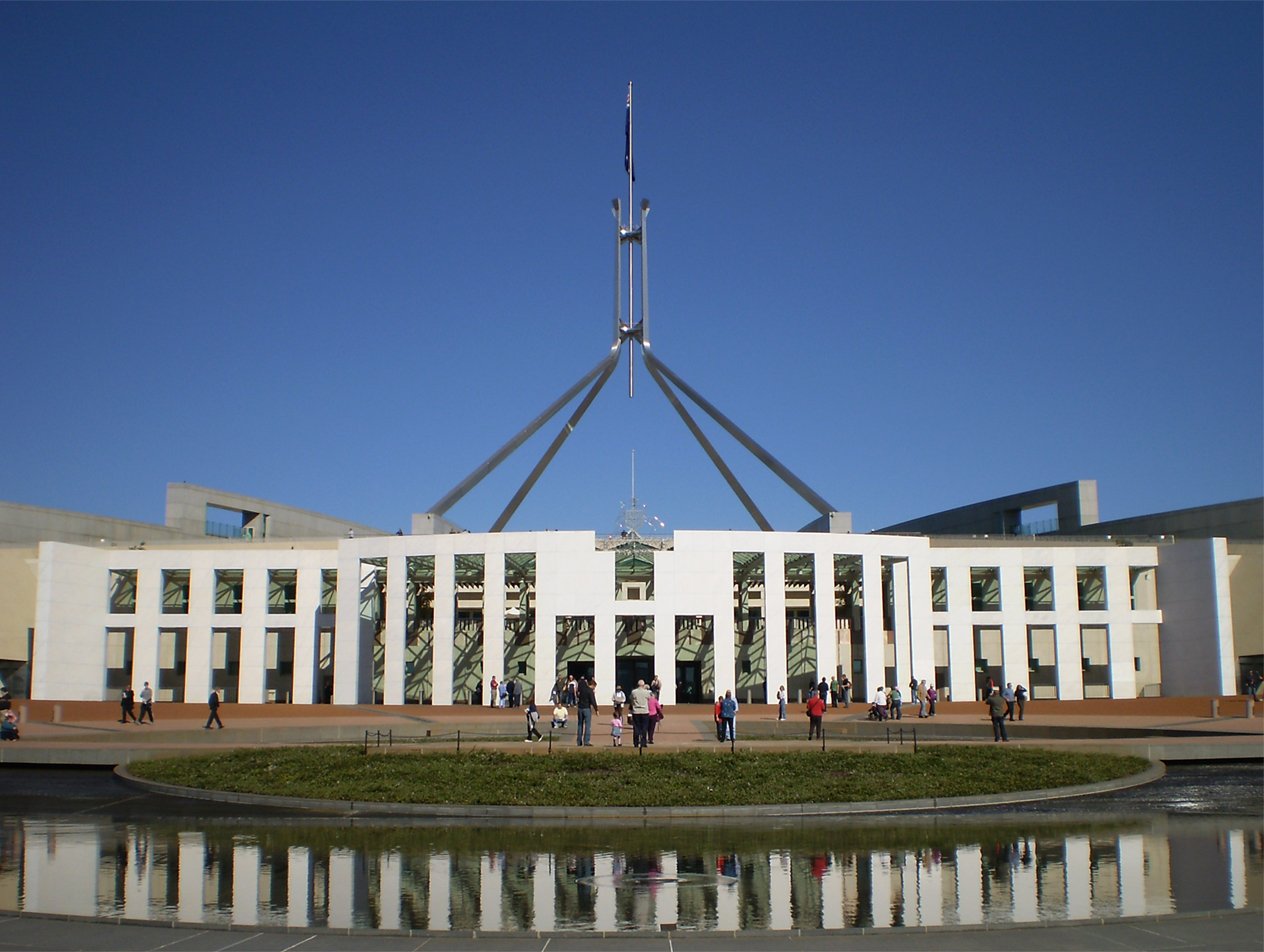
SINGAPORE,- Singapore and Australia have signed agreements covering the cross-border movement of captured carbon dioxide and cooperation on essential goods, following their annual leaders’ meeting in Canberra on 24 November. The arrangements deepen an established partnership at a time when governments are reconsidering the reliability of supply chains and the infrastructure needed to reduce industrial emissions. Their significance lies in creating frameworks for cooperation rather than announcing that every contemplated project is already operating.
Singapore’s Ministry of Foreign Affairs identifies offshore geological storage of carbon dioxide and an essential-supplies memorandum among the main outcomes. The Australian government’s joint statement likewise emphasises economic resilience, connectivity and technology cooperation.
Why a carbon transport agreement matters
Carbon capture and storage involves collecting carbon dioxide from an emission source, transporting it and storing it in a suitable geological formation. Singapore has limited land and needs to assess overseas storage options for industrial emissions that may be difficult to eliminate immediately. Australia has geological resources that may support storage, subject to site-specific investigation and regulatory approval.
Moving carbon dioxide across borders raises questions beyond the engineering of capture. Both countries need to account for the transferred material, ensure that transport and storage meet relevant requirements and allocate responsibilities if a problem arises. An international framework can help establish the basis for cooperation, but each commercial project still needs to demonstrate safety, financing and credible measurement.
There is also a cost question. Capturing, compressing, shipping and storing carbon dioxide requires infrastructure and energy. An agreement does not establish a universal price for carbon storage or guarantee that every industrial emitter will find it economical. Companies must compare the full costs and environmental benefits with alternatives such as efficiency improvements or changes in production processes.
What essential-supplies cooperation could achieve
The governments also signed a memorandum building on earlier work under their free trade agreement. Supply disruptions can arise from weather, geopolitical tensions, transport bottlenecks or emergency restrictions. A bilateral framework may improve communication and give authorities a way to discuss measures before they cause unnecessary problems for the other country’s businesses.
Nevertheless, a commitment to cooperate is not the same as a guarantee that supplies will always be available at a particular price. Commercial contracts, stock levels and transport capacity still determine how effectively goods can move during a crisis. Businesses should maintain contingency plans even where countries have strong diplomatic relationships.
How the wider partnership fits in
The leaders also issued a statement on artificial intelligence cooperation and welcomed the start of Singapore Airlines services to Western Sydney International Airport. These developments illustrate different aspects of connectivity: movement of people, research partnerships and physical trade flows. Each has a distinct implementation pathway and should be assessed on its own outcomes.
For Singapore, the practical indicators will include approved carbon projects, transparent environmental accounting, functioning logistics arrangements and evidence that firms can obtain essential goods during disruption. The bilateral meeting provides political and institutional support for those goals. Turning that support into measurable resilience will require sustained cooperation among regulators, businesses and infrastructure operators in both countries.