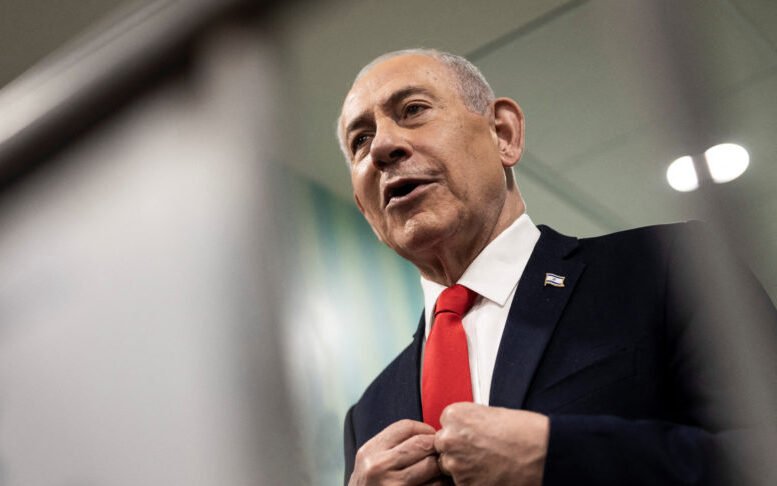
TECH – An unprecedented surge in voter participation among Palestinian citizens of Israel is threatening Prime Minister Benjamin Netanyahu’s hold on power, potentially transforming the country’s political landscape. In Israel’s parliamentary elections, held on October 27, Arab-majority towns reported turnout exceeding 70 percent, with some preliminary figures approaching 80 percent. According to Al Jazeera, the remarkable participation reflects growing determination among Palestinian citizens to challenge Netanyahu’s right-wing government and prevent another term for his coalition.
Historically, Palestinian citizens of Israel have voted at lower rates than Jewish Israelis, with participation in Arab communities often ranging between 45 and 65 percent. This election, however, prompted many previously disengaged voters to participate, driven by concerns over discrimination, violence, and government policies affecting Palestinian communities. Attempts by Jewish settlers to establish an outpost on Palestinian land near Majd al-Krum in the Upper Galilee further intensified political tensions.
“The people who were indifferent to the elections, and who did not want to participate or vote, the matter provoked them,” Majd al-Krum resident Hussein Manna told Al Jazeera. “They know very well what awaits us if this government returns to power.”
The increased participation has strengthened two Arab-led political groups: the Joint List and the conservative United Arab List, also known as Ra’am. Preliminary projections suggested the parties could collectively secure enough parliamentary seats to prevent Netanyahu’s bloc from reaching the 61 seats required for a governing majority in the 120-member Knesset.
Netanyahu and his far-right allies, including National Security Minister Itamar Ben-Gvir and Finance Minister Bezalel Smotrich, have repeatedly targeted Arab political participation during their campaigns. However, their rhetoric appears to have encouraged more Palestinian citizens to vote rather than keeping them away from polling stations.
Read More: Zelensky Says US Restores Early Warnings of Russian Missile Strikes
Al Jazeera’s Palestine bureau chief, Walid al-Omari, described the election as decisive for both Netanyahu’s political future and Israel’s national identity. He warned that another term for the existing coalition could push the country further toward extremism and racial discrimination.
Arab politician Ahmad Tibi, head of the Arab Movement for Renewal, made his party’s priority clear: “The first goal: bringing down the government of Netanyahu, Smotrich, and Ben-Gvir.” He also expressed willingness to cooperate with opposition parties, although many have previously rejected formal alliances with Arab lawmakers. Tibi stressed that any alternative government must address crime, personal security, home demolitions, and discrimination affecting Arab communities.
Meanwhile, Netanyahu responded to the rising turnout by urging his supporters to vote, portraying Arab participation as a threat to his political camp. Arab politicians condemned such messaging as inflammatory, while reports of long queues and alleged obstruction at polling stations raised concerns about voter intimidation. Ahmad Tibi said he witnessed delays in several Arab towns, but noted that voters remained determined to cast their ballots.
With Arab parties potentially holding the balance of power, negotiations over the next government could prove difficult. Netanyahu’s opponents may need Arab parliamentary support to form a majority, yet political disagreements and longstanding prejudice could complicate cooperation. The election has therefore placed Palestinian citizens’ political representation at the centre of Israel’s struggle over leadership, equality, and the direction of its future government.