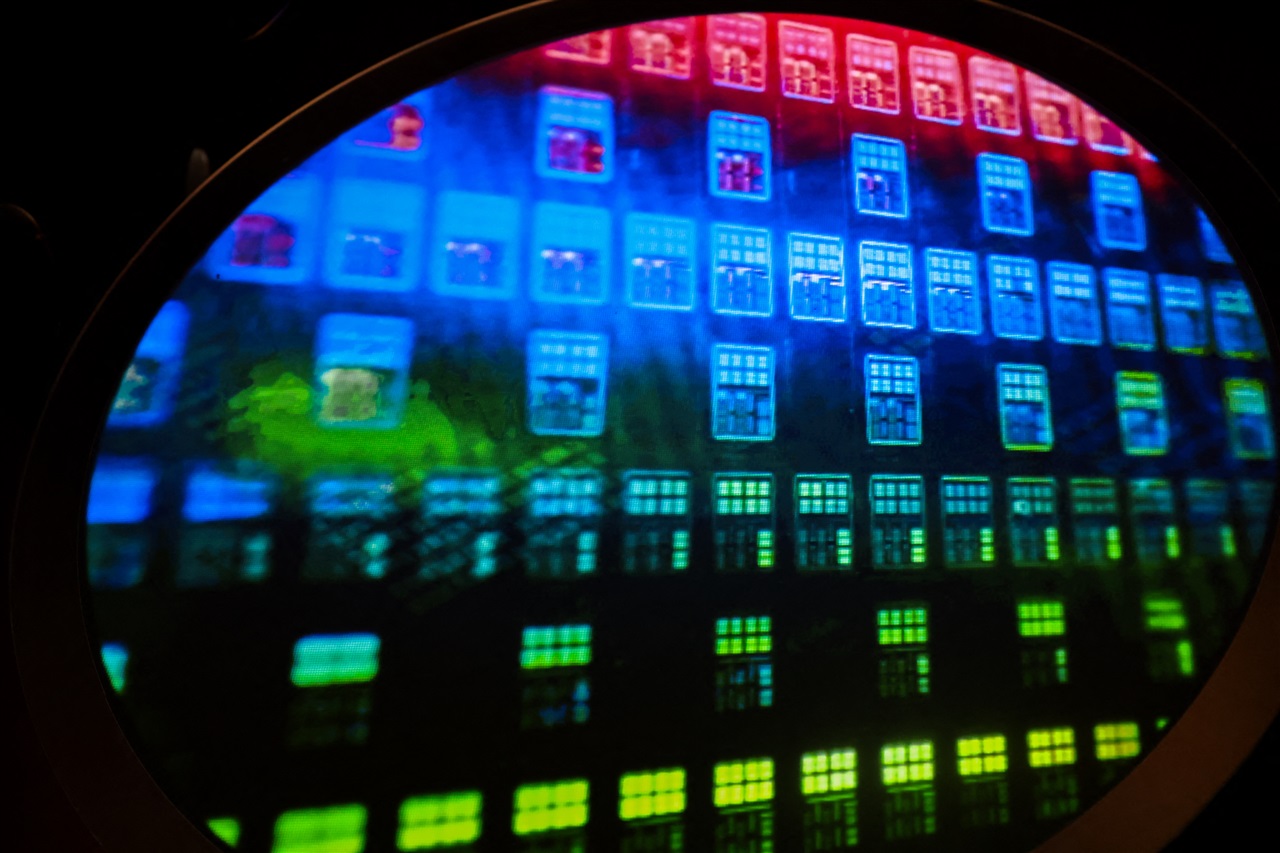
TECH – Japanese materials giant Oji Holdings has reportedly made a significant leap in semiconductor materials innovation by developing its own EUV photoresist capable of supporting 2-nanometer-class chip production, according to a report by TrendForce. In the high-stakes world of next-generation chip manufacturing, EUV (extreme ultraviolet) photoresist — the light-sensitive chemical layer used in lithography to transfer ultra-fine circuit patterns onto silicon — is one of the most technically demanding substances, and most leading suppliers have long been concentrated in Western markets. Oji’s breakthrough not only bolsters Japan’s position in critical semiconductor supply chains but also represents a rare move into the most advanced tier of chip materials at a time when global competition for cutting-edge technologies is fierce.
According to the TrendForce analysis, the newly developed photoresist from Oji has shown preliminary performance that meets the patterning and sensitivity requirements for 2 nm nodes, a benchmark that previously only the largest Western chemical firms could claim to serve. Manufacturers aiming for 2 nm and beyond — where features are measured in billionths of a meter — require extremely high resolution and stability from their photoresists, as even minuscule defects can translate into flawed circuitry. Oji’s success suggests the company may soon be able to supply this crucial material to major semiconductor foundries, including those in Japan and abroad, potentially reducing dependence on non-Japanese vendors.
EUV lithography itself has become indispensable for manufacturing the most advanced silicon chips, using extremely short wavelengths of light — around 13.5 nm — to etch intricate logic and memory circuits that power modern applications from artificial intelligence to mobile processors. Photoresist materials for EUV must withstand intense photon energy while preserving pattern fidelity; developing them has proven so complex that only a handful of specialised chemical companies have historically dominated the field. With Oji’s innovation, Japan could improve its strategic standing in an industry where materials are as critical as machines like lithography scanners.
Read More: German Compressorless Hydrogen Turbine Sets New Runtime Record Next-Gen Nuclear Power
Industry observers say Oji’s move is part of a broader push by Japanese firms and government initiatives to capture more of the semiconductor value chain, especially in areas considered vital for national technological autonomy. The Japanese government has long expressed the desire to fortify domestic semiconductor capabilities, including materials, equipment and design — not just assembly and testing — as global supply chains have been stressed by geopolitical tensions and export controls in recent years. Oji’s reported success comes at a critical moment when countries like Japan are seeking to balance reliance on foreign suppliers with growing pressure to secure sovereign access to foundational tech ingredients.
While TrendForce’s report stops short of confirming full commercial readiness, early indicators suggest that Oji’s EUV photoresist could move into pilot production tests with chipmakers aiming to adopt 2 nm and future nodes. These trials — if successful — would set the stage for broader adoption, with potential orders tied to high-performance computing, AI accelerators, and next-generation mobile processors. Moreover, the development shines a spotlight on how companies outside the traditional semiconductor materials elite can break into advanced technology domains by focusing on long-term R&D and strategic partnerships.
As the semiconductor industry marches toward ever finer nodes and more complex designs, breakthroughs like Oji’s offer a reminder that innovation at the chemical and materials level is as vital as advances in chip architecture itself. Japan’s growing presence in this space could herald a more competitive and diversified global supply chain at a time when geopolitical pressures and technological demand are reshaping how nations and companies approach semiconductor leadership.