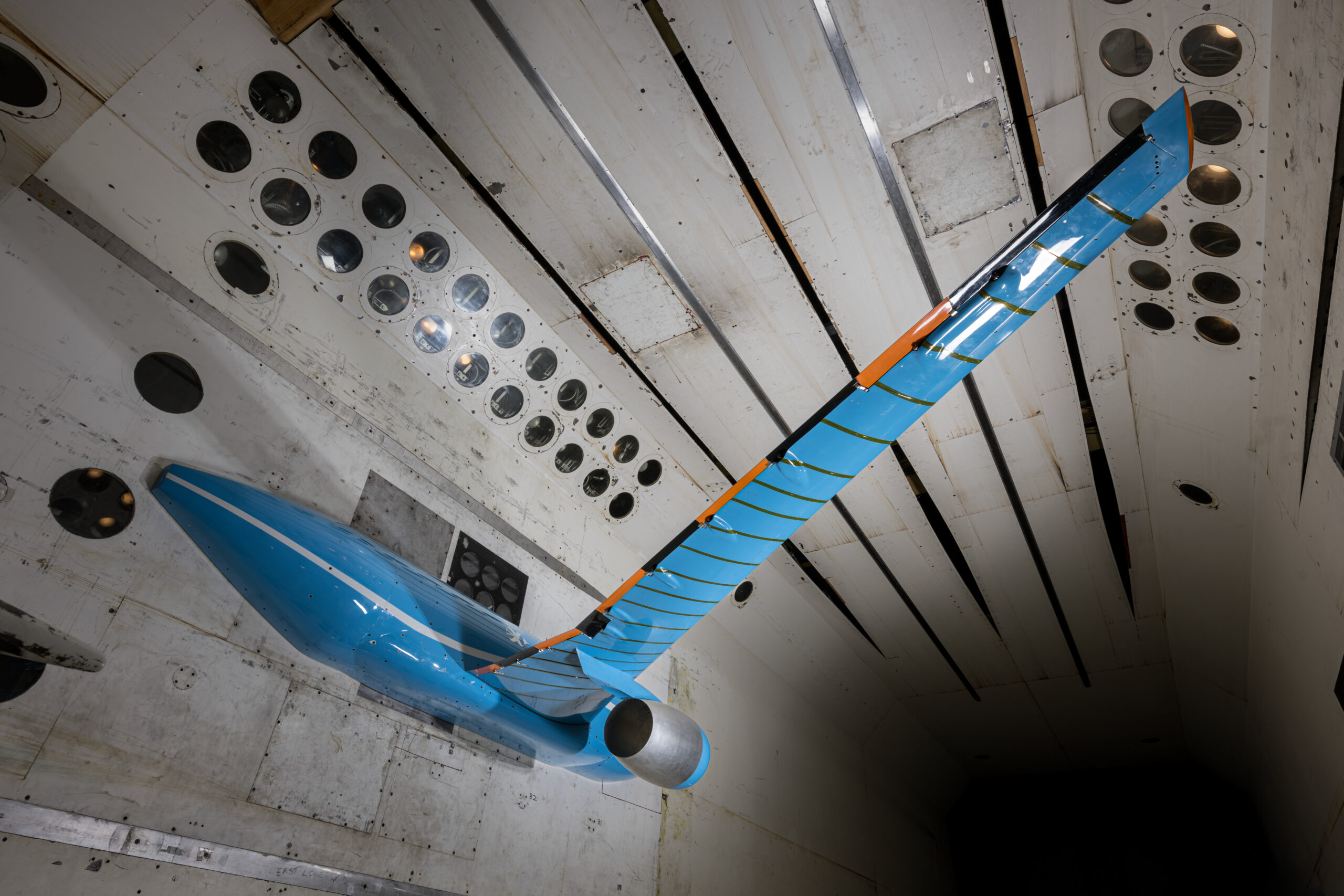
TECH – In a bold stride toward greener aviation, the United States is testing a new kind of aircraft wing, one that’s much longer and much thinner than conventional designs with the promise of noticeably lower fuel consumption and a quieter, more efficient flight experience, according to Vietnam.vn reporting on the collaboration between NASA and Boeing.
This innovative approach stems from decades of research into transonic, ultra-efficient wing forms that could dramatically reduce the drag an aircraft experiences in flight. By stretching the wing span and reducing thickness, engineers aim to improve how lift is generated while cutting down the fuel needed to sustain long-haul journeys — a crucial objective as airlines grapple with both cost pressures and environmental targets.
The long, slender wings being trialled aren’t without their challenges. Such designs are inherently more flexible, which can make them susceptible to flutter — a dangerous resonance effect that can cause destructive vibrations if not properly controlled. To mitigate this, researchers equipped test models with up to 10 active control surfaces, far more than the two found on older wings, allowing real-time adjustments that help stabilise the structure against gusty winds and manoeuvres.
Read More: Snail-Inspired Swarm Robots Work Together in Tough Terrain
Initial tests carried out in the Transonic Dynamics Tunnel at NASA’s Langley Research Center — a leading facility capable of simulating true flight conditions — have already yielded a wealth of data. Early results are helping engineers refine computational models and better understand how these ultra-long wings behave under stress. As 2025 progressed, a variety of control configurations have been trialled with the goal of finding an optimal balance between efficiency and aerodynamic stability.
If these next-generation wing concepts translate successfully to full-scale aircraft, they could play a significant role in reducing aviation’s carbon footprint — an industry responsible for a substantial share of global emissions. Beyond fuel savings, passengers might enjoy smoother rides and improved comfort, as designs that minimise drag often result in quieter cabins and steadier performance at cruising altitude.
This effort builds on earlier research such as NASA’s Transonic Truss-Braced Wing program and dovetails with long-term ambitions to hit sustainability goals by 2050. Experts say validating these wing innovations is a key step in making future air travel not only more efficient but also more environmentally responsible.