TECH – Oil spills remain one of the most destructive environmental disasters for oceans, coastlines, and marine wildlife. Scientists around the world have been searching for faster and safer ways to tackle these incidents, and a new robotic invention inspired by marine life could offer a promising solution. According to reporting by Interesting Engineering, researchers from RMIT University in Australia have developed a small robotic device shaped like a dolphin that can actively collect oil from the surface of water, potentially transforming how oil spill cleanups are handled.
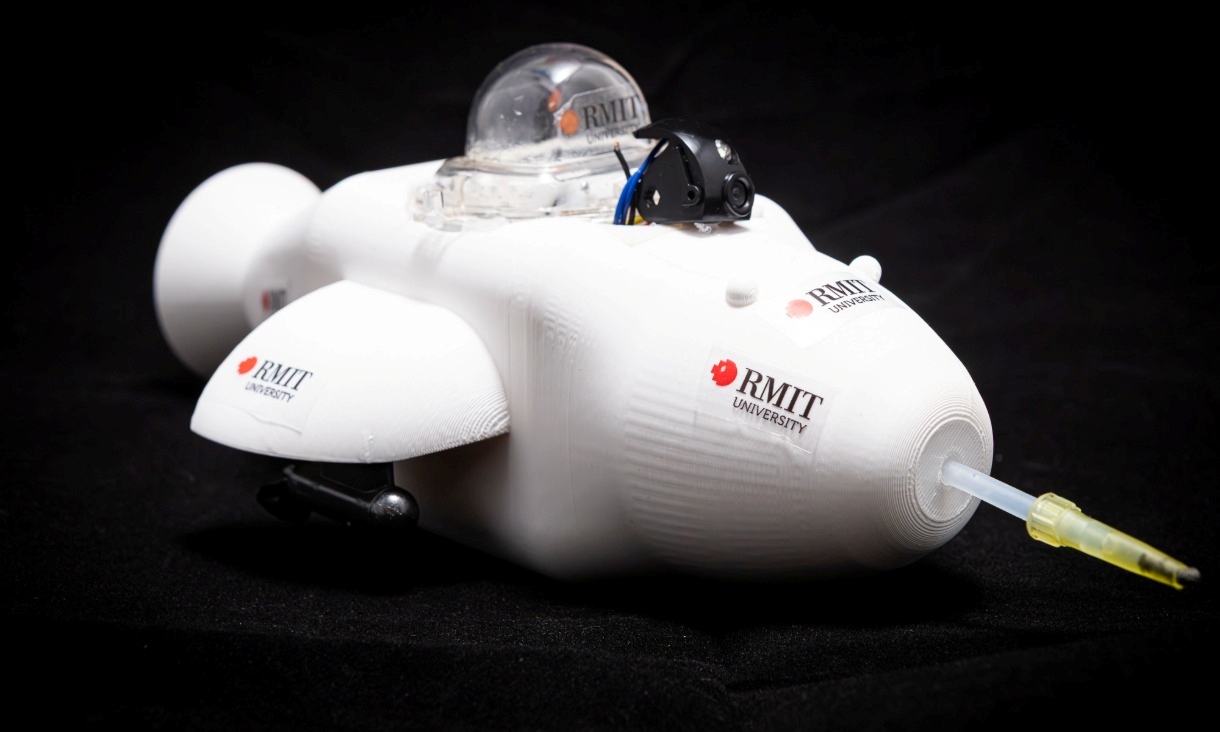
Nicknamed the “Electronic Dolphin,” the experimental robot is roughly the size of a sneaker and is designed to move across the water while skimming oil slicks. Unlike traditional cleanup methods that rely heavily on large vessels, chemical dispersants, or absorbent materials, this robotic system targets spills more precisely. Engineers equipped the robot with a specialized filtration system that separates oil from water with impressive efficiency.
At the front of the device sits a coated filter connected to a small pump that draws oil into a storage chamber inside the robot. The filter itself uses a unique microscopic texture inspired by sea-urchin-like spikes, which trap pockets of air. This design causes water to roll off the surface while oil clings to it, allowing the robot to collect oil while leaving water behind. During controlled experiments, the system recovered oil at about two milliliters per minute with more than 95 percent purity, demonstrating the material’s strong ability to repel water while absorbing oil.
Read More: Samsung Mini PetBot Gives AI a Friendly Face at MWC 2026
Dr. Ataur Rahman, the project’s lead researcher from RMIT’s School of Engineering, explained the motivation behind the innovation. “Oil spills can take a huge environmental and economic toll,” he said, adding that the team wanted a device that could be deployed quickly and operate in areas that might be dangerous for human responders.
The robot is currently a proof-of-concept, running for about 15 minutes on its current battery, but the researchers envision larger and more capable versions in the future. Their long-term plan includes autonomous robots that could travel through contaminated waters, vacuum up oil, return to a docking station to unload and recharge, and then repeat the process until the spill is removed.
Viewed through a broader lens, the dolphin-inspired robot represents an emerging trend in environmental robotics. By combining bio-inspired design with advanced materials, engineers hope to create fleets of small machines that can respond quickly to marine disasters while protecting ecosystems that are often hardest hit by oil pollution.