INTERNATIONAL – In a dramatic turn that felt almost cinematic, the long-shadowed tension between the United States and Iran paused just moments before it could erupt into something far more devastating. According to reporting by The Guardian, a two-week provisional ceasefire was agreed upon on April 7, following intense last-minute diplomacy that pulled both sides back from the edge of escalation.
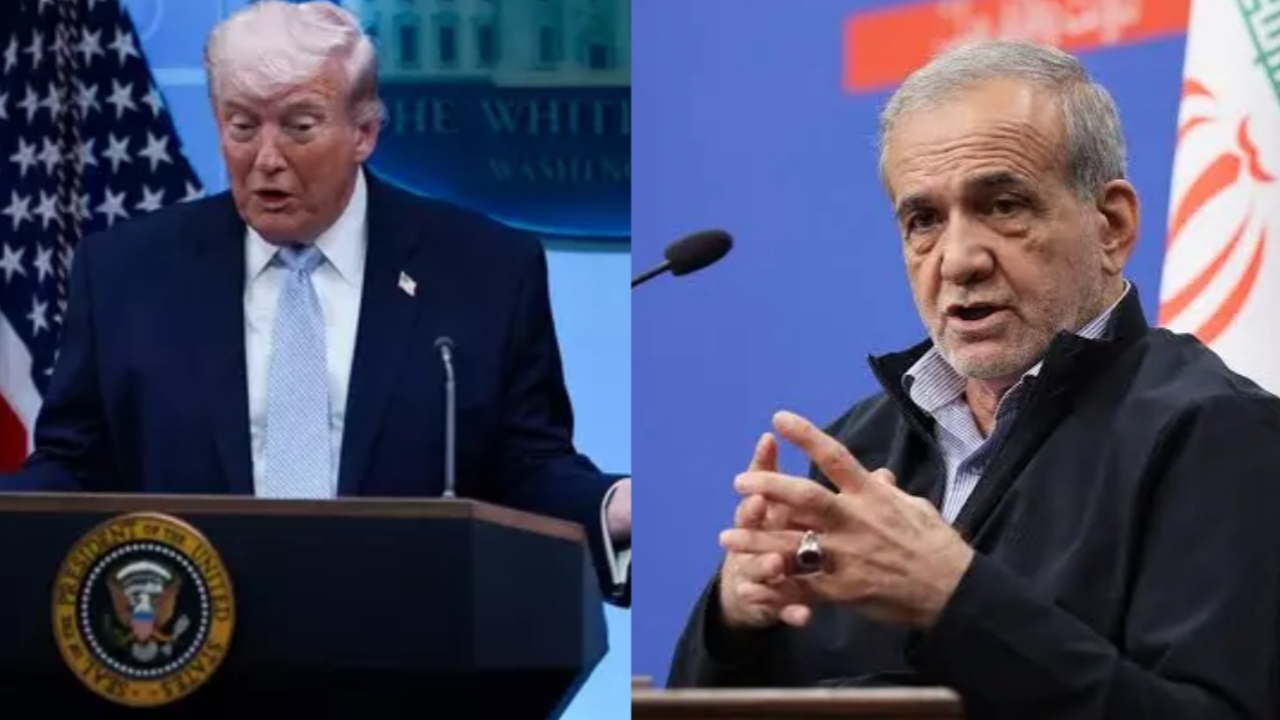
The agreement came under extraordinary circumstances. Just hours earlier, former U.S. President Donald Trump had issued a stark ultimatum, warning of massive strikes against Iran if it failed to reopen the Strait of Hormuz, one of the world’s most critical oil routes. The threat carried a chilling tone—earlier remarks even suggested catastrophic consequences if Iran refused to comply. Yet, in a sudden pivot, Trump stepped back from the brink roughly 90 minutes before the deadline, agreeing to suspend military action as diplomatic channels found a narrow opening.
Iran, for its part, confirmed it would allow the strait to reopen under its own military oversight, signaling a conditional willingness to de-escalate. Its foreign minister indicated readiness for further talks, while officials framed the agreement as a strategic decision rather than a concession. In parallel, Trump described the outcome with characteristic confidence, calling it a “total and complete victory,” a phrase that echoed across global headlines and political discourse.
Read More: Israel Rules Out Joining U.S. Ground Offensive in Iran
Behind the scenes, diplomacy moved swiftly and quietly. Pakistan emerged as a key mediator, helping to broker the agreement and inviting both nations to continue negotiations in Islamabad. The proposed talks are expected to revolve around a 10-point framework put forward by Iran, touching on issues such as sanctions relief, regional military presence, and long-term security guarantees.
The ripple effects were immediate. Oil prices, which had surged amid fears of prolonged disruption, began to ease, while global markets responded with cautious optimism. Yet the calm carries a fragile quality. Missile alerts were still reported in parts of the Middle East, and Israel signaled that its own military operations, particularly involving Hezbollah in Lebanon, would continue despite the broader ceasefire.
There is also a deeper tension woven into the moment. Both Washington and Tehran have claimed victory, each shaping the narrative to reflect strength rather than compromise. The ceasefire, though real, feels less like an ending and more like a pause—a breath held between uncertain chapters.
Seen from a wider lens, this fragile truce captures the paradox of modern conflict: even at the height of confrontation, diplomacy can still find a narrow path forward, threading its way through pride, power, and the ever-present risk of miscalculation.