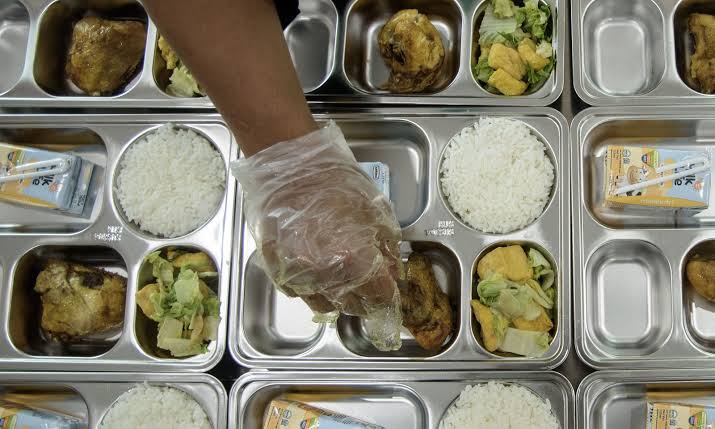
INTERNATIONAL – Data recently released by the Indonesian Presidential Staff Office (Kantor Staf Presiden, KSP) indicates that more than 5,000 individuals have been recorded as victims of MBG food poisoning making this one of the most widespread food safety incidents in recent memory. According to M. Qodari, Head of the Presidential Staff, these figures are drawn from records at the National Nutrition Agency (Badan Gizi Nasional, BGN), and they only represent the documented cases; many more suspected cases are believed to remain unreported.
The term “MBG” refers to “makanan bergizi gratis” or free nutritious food provided under a government-led program aimed at improving access to healthy meals. The initiative has suffered serious reputational damage following the revelation that a large number of those consuming the food fell ill. Cited from kompas.com, Qodari emphasized that the count exceeds 5,000 individuals who displayed symptoms consistent with food poisoning after consuming MBG offerings. Historical data suggests that most incidents cluster in certain regions, though precise geographical breakdowns have not been fully published.
BGN data reviewed by the KSP outlines four main indicators associated with the MBG food poisoning events. First, issues of food hygiene are flagged: lack of cleanliness in food preparation or handling has been a recurring factor. Second, problems with food temperature control such as food being served hot when cold, or vice versa, appear to increase the risk of contamination. Third, the manner of food processing is often not aligned with safety standards, including improper cooking or storage. Fourth, discrepancies in food handling—from the time ingredients are sourced, transported, stored, prepared, to the point of distribution—have been highlighted as potential sources of risk.
Read More: Malaysia Cracks Down on Illegal Plate-Flipping Devices
Officials point out that the figure of over 5,000 victims is based on cases officially recorded by BGN, but food safety experts caution the true number is likely much higher. Many incidents are believed to go unreported because victims with mild symptoms may not seek medical care or link their malaise to eating MBG items.
The disclosure has prompted calls for tighter oversight, stricter hygiene guidelines, and more frequent inspections of food preparation facilities involved in the MBG program. Public assurance is increasingly critical, as trust in the free meal scheme has been shaken by fears of safety lapses.
Government agencies are expected to review operational protocols for MBG, including food sourcing, staff training on hygiene and safe handling, temperature controls during storage and transportation, and mechanisms to ensure rapid response when foodborne illness is suspected. Stakeholders urge transparent communication of outbreak data as well as corrective actions, so that the community understands both the scale of the issue and the steps being taken to prevent recurrence.