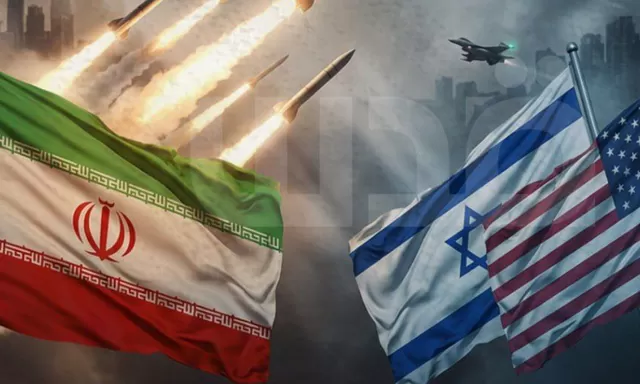
INTERNATIONAL – The tenuous peace in the Middle East has shattered into a much larger and potentially unending military confrontation after Iran was struck by coordinated forces from the United States and Israel, unleashing what many analysts now fear could become a fresh, long-lasting war, according to ANTARA News and other global reporting. This new phase of hostilities began with Operation Epic Fury on 28 February 2026, marking a dramatic escalation in regional conflict with explosions reducing strategic sites across Tehran to smoldering ruins.
The assault wasn’t merely a raid but a full-scale campaign that toppled the core of Iran’s command structure, including the death of Supreme Leader Ayatollah Ali Khamenei in the initial strikes—an outcome that has paradoxically strengthened Tehran’s internal resolve rather than fractured it. Contrary to Washington’s hope that leadership losses might spark internal revolt, Iran’s complex political system with bodies like the Islamic Revolutionary Guard Corps (IRGC) and the Assembly of Experts acted like shock absorbers, keeping the state machinery fighting even without its central figure.
While the U.S. and Israel claim the offensive is designed to dismantle nuclear threats and secure future stability, Tehran insists it did not initiate the hostilities and instead has been dragged into them. Iran’s Foreign Ministry spokesman Esmaeil Baghaei told reporters, “This war did not start with Iran … we chose diplomacy, but we can continue the war as long as we want,” underscoring Iran’s readiness for protracted struggle without trust in American intentions.
Read More: U.S. Forces Encircle Iran With Warships and Troops Amid Rising Tension
The human toll and geopolitical ramifications grow by the day. Thousands have perished in Iran, while regional proxy forces such as Hezbollah continue attacks from Lebanon, dragging neighboring nations into the conflict’s vortex. In response, Israeli forces have expanded strikes beyond Iranian borders, and U.S. military bases in the Gulf region have been targeted by missiles and drones in retaliation.
In the U.S., protests have erupted as citizens call for an end to what many fear is an open-ended war with no clear strategic exit. Meanwhile, world leaders—including Canadian officials—question the legality and wisdom of a campaign whose destructive impact extends far beyond battlefields and into global energy markets and international law.
Analysts warn that what began as a preemptive strike risks spiraling into a conflict without end—one that could reshape Middle Eastern geopolitics and global diplomacy for years to come.