BUSINESS – Global financial markets ended the week on a cautiously optimistic note, buoyed by signs of easing tensions in the Israel–Iran conflict and a flurry of central bank decisions that highlighted differing monetary outlooks. This analysis draws from reporting by Reuters and other market observers.
Geopolitical developments took center stage as U.S. President Donald Trump announced he would delay a decision on American involvement in the Israel–Iran crisis for up to two weeks, allowing European-led negotiations in Geneva to proceed. Iran agreed to engage further discussions with European counterparts while insisting the dialogue must occur independently of Israeli military action.
This diplomatic pause provided markets with much-needed relief. Brent crude oil prices fell approximately 2–2.5%, closing near $77 per barrel, though they stayed on course for a weekly gain of about 3.7% due to sustained conflict-driven anxiety . Oil-sensitive sectors, such as industrials and transportation, benefited from the dip, while safe-haven assets like the U.S. dollar and Japanese yen remained relatively flat.
Read More: Tel Aviv Area Hospital Hit by Iranian Missile, Tensions Escalate
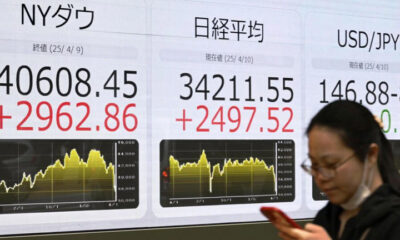
Equity markets displayed mixed but generally favorable movements. In Asia, Hong Kong’s Hang Seng and South Korea’s KOSPI gained ground—South Korea especially buoyed by a stimulus package from its new president—while Japan’s equities remained subdued . European stocks registered modest gains, with the STOXX 600 rising 0.1%, snapping a three-day losing streak, as investors welcomed the delay in military escalation.
On Wall Street, U.S. markets experienced modest declines: the S&P 500 dropped 0.2%, and the Nasdaq lost 0.5%, while the Dow inched up 0.1% in a choppy session affected by June 19’s Juneteenth closure. Market participants remained on edge ahead of Federal Reserve Chair Jerome Powell’s upcoming testimony to Congress.
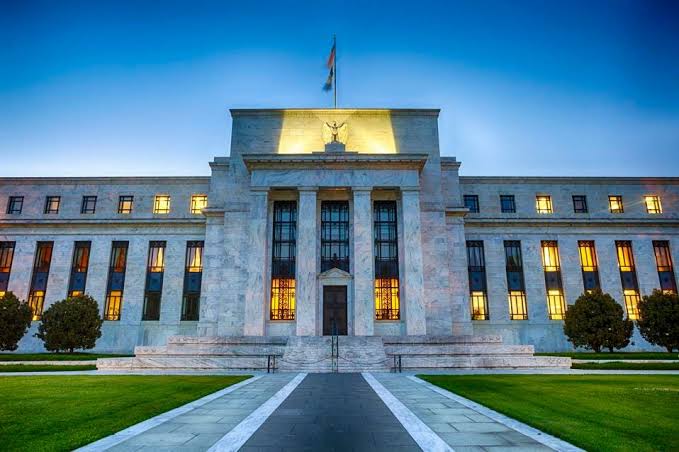
Central banks delivered a mixed set of signals: the Federal Reserve maintained a hawkish stance but acknowledged uncertainty, while the Bank of Japan adopted a more cautious approach by slowing its balance sheet reduction. The Swiss National Bank cut rates to zero and left open the possibility of negative rates. Norway surprised with a rate cut, while Brazil raised rates to the highest level since 2006.
Currency and bond markets reflected this divergence. The U.S. dollar held firm as a safe-haven asset, particularly versus the yen, and some yields eased—though inflation concerns lingered.
Looking ahead, investors await further clarity on U.S. diplomacy in the Middle East, July 9 tariff deadlines, and upcoming economic data, including the Federal Reserve’s policy clues from Powell’s testimony, U.S. PCE inflation figures, and European PMIs. These events will shape the path for markets already operating at tight margins between geopolitical nerves and monetary policy shifts.