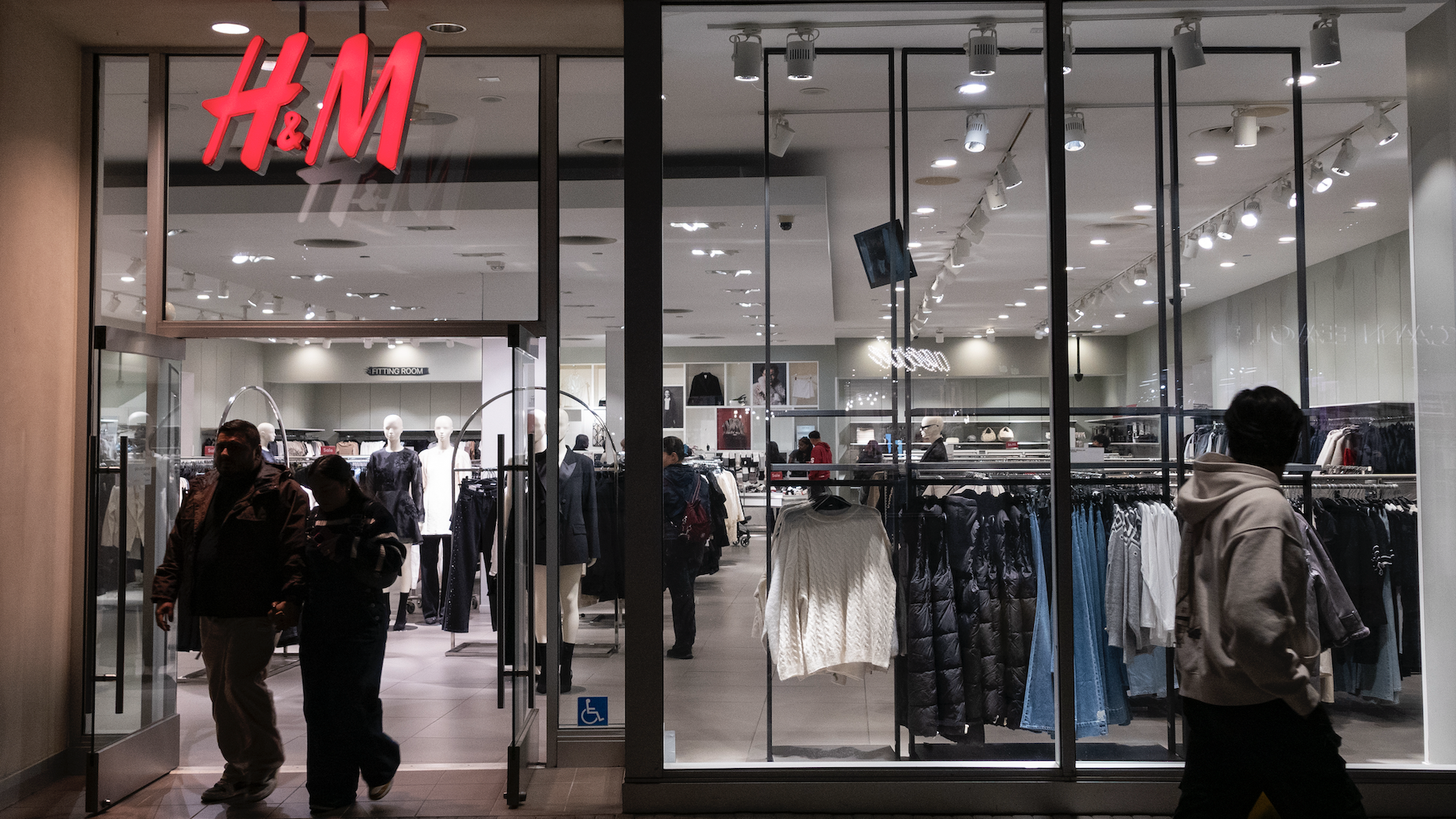
BUSINESS – In the restless theater of global markets, where numbers flicker like uneasy stars, fashion giant H&M finds itself caught between rising costs and fragile consumer sentiment. According to reporting by CNBC, the Swedish retailer’s shares slipped after it warned that an escalating conflict in the Middle East—particularly involving Iran—could quietly tighten the pressure on both its operations and its customers. The message wasn’t dramatic, but it carried weight, like a storm forming just beyond the horizon.
H&M’s chief executive, Daniel Ervér, acknowledged the uncertainty with measured calm, noting that while demand has not yet faltered, “if the situation continues, it could impact consumers.” His words feel less like a prediction and more like a caution whispered into the future. The concern is simple yet far-reaching: higher energy prices, disrupted supply chains, and rising transportation costs may slowly filter into the price tags hanging in store windows.
The tension is not isolated. Across Europe, retailers are reading the same signals. The conflict has already pushed oil prices upward, driving up freight and production expenses, while inflation threatens to erode consumer purchasing power. Analysts warn that even modest disruptions can ripple outward, affecting everything from fabric sourcing to final delivery. As one industry voice suggested, the cost increases may seem incremental at first, but they accumulate “step by step,” eventually reshaping how companies price their products and how customers choose to spend.
Read More: Gold, Silver Slide as Inflation Fears Shake Global Markets
Meanwhile, British retailer Next has also braced for impact, estimating that additional costs tied to fuel and logistics could reach millions if disruptions persist. The company has even hinted that clothing prices could climb by as much as 5% to 10% should the conflict stretch further into the year, underscoring how deeply interconnected geopolitics and everyday shopping have become.
There is, however, a quiet paradox at play. H&M recently reported stronger-than-expected profits, driven by disciplined cost control, yet its stock still dipped as investors fixated on sluggish sales growth and the uncertain road ahead.
Seen from a broader lens, this moment captures a delicate balance: businesses are learning to navigate a world where distant conflicts can echo through supply chains, pricing strategies, and ultimately, the choices made by ordinary consumers standing under soft store lights, wondering whether to buy now—or wait.