INTERNATIONAL,- South Korea is debating whether research and development personnel in its semiconductor industry should receive greater flexibility under working-hour rules. The country’s industry minister has argued that restrictions can make it harder for researchers to respond to intense development schedules, while labour officials have emphasised the importance of protecting workers’ health. The discussion concerns possible legislative changes rather than an exemption that has already entered into force.
According to Maeil Business Newspaper’s Pulse, Industry Minister Kim Jung-kwan has called for faster consideration of exemptions from the 52-hour working week for eligible R&D staff. The proposal is connected to wider plans for special zones supporting major industrial projects. Discussions between the industry and labour ministries have not yet produced a final agreement.
Why research schedules can be difficult to predict
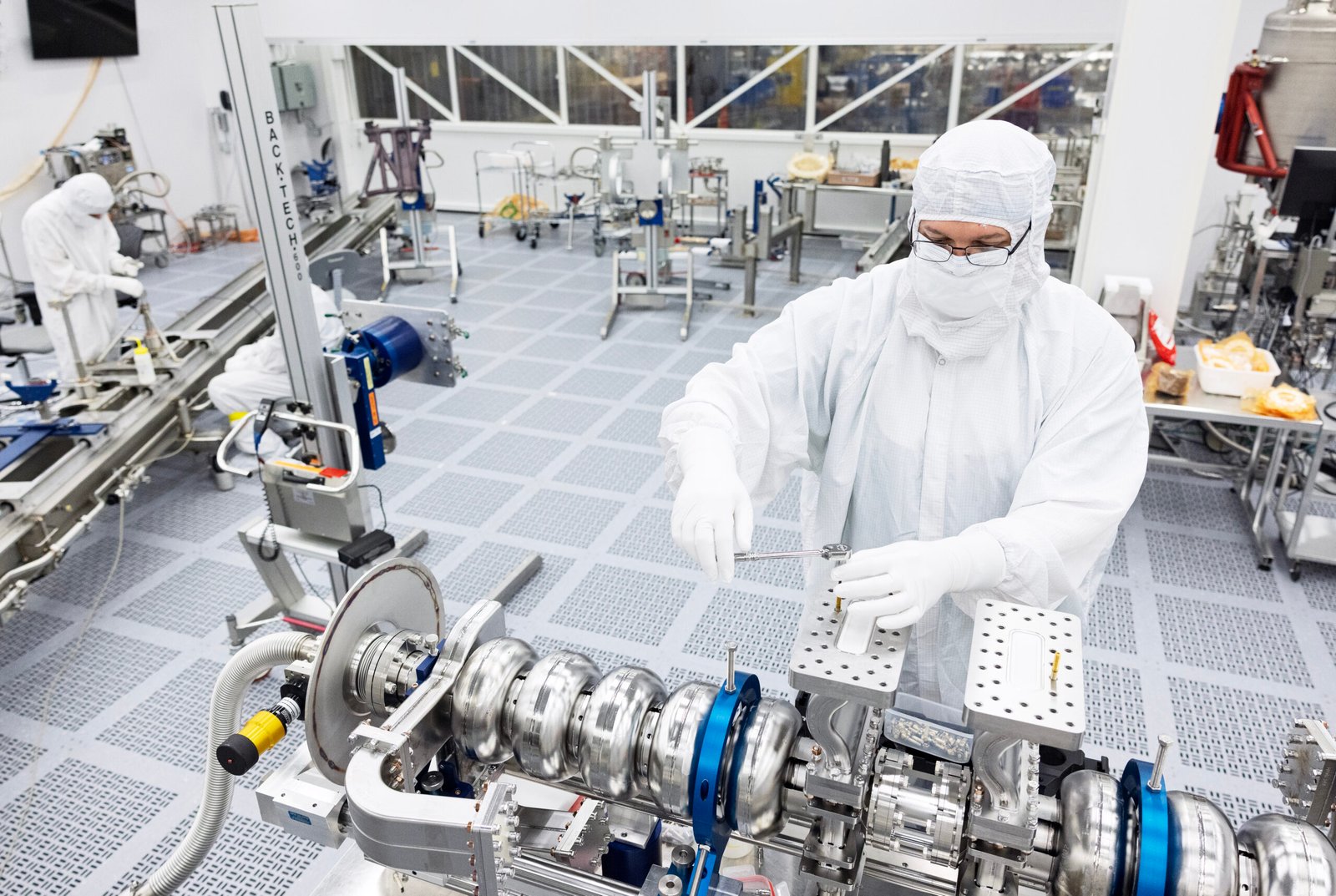
Semiconductor development involves experiments, design revisions, equipment testing and analysis of complex technical problems. Workloads may vary considerably across stages of a project. Unexpected results can require rapid investigation, while some operations depend on access to specialised equipment at particular times.
Companies argue that greater flexibility could allow teams to respond to these changes more effectively. However, flexibility and longer working hours are not necessarily the same thing. A system allowing staff to redistribute their hours may have different effects from one routinely requiring them to work beyond existing limits.
Why working time is not a direct measure of innovation
Technological competitiveness depends on many factors, including research investment, equipment quality, skills, collaboration and the ability to transfer discoveries into production. Increasing the hours available to researchers could help address a particular scheduling constraint, but it does not guarantee better results.
Excessive fatigue can also undermine concentration and judgement. In a complex technical environment, errors may lead to wasted materials, delayed experiments or safety problems. Evaluating a proposed exemption therefore requires more than comparing the total number of working hours between countries.
What the labour ministry is considering
Aju Press reported that Employment and Labour Minister Kim Young-hoon met semiconductor R&D workers on 26 November to hear their experiences. He emphasised that effective use of research time and healthy working conditions should not be treated as opposing objectives.
Possible arrangements would need to establish which employees are eligible, how overtime is monitored and what rest or compensation requirements remain. The views of researchers themselves are important because the conditions they experience may differ from the assumptions made by corporate managers.
What other Asian economies can learn
Singapore and other countries seeking investment in advanced manufacturing face comparable questions about how to develop specialised talent sustainably. Productivity improvements can come from better tools, improved research processes and effective staffing as well as working-time flexibility.
The South Korean discussion provides an opportunity to examine these alternatives before introducing permanent changes. If new rules are adopted, useful indicators would include project completion times, employee retention, health outcomes and the quality of technical results. The immediate development is a policy debate; its economic and workplace effects cannot yet be assessed as established outcomes.