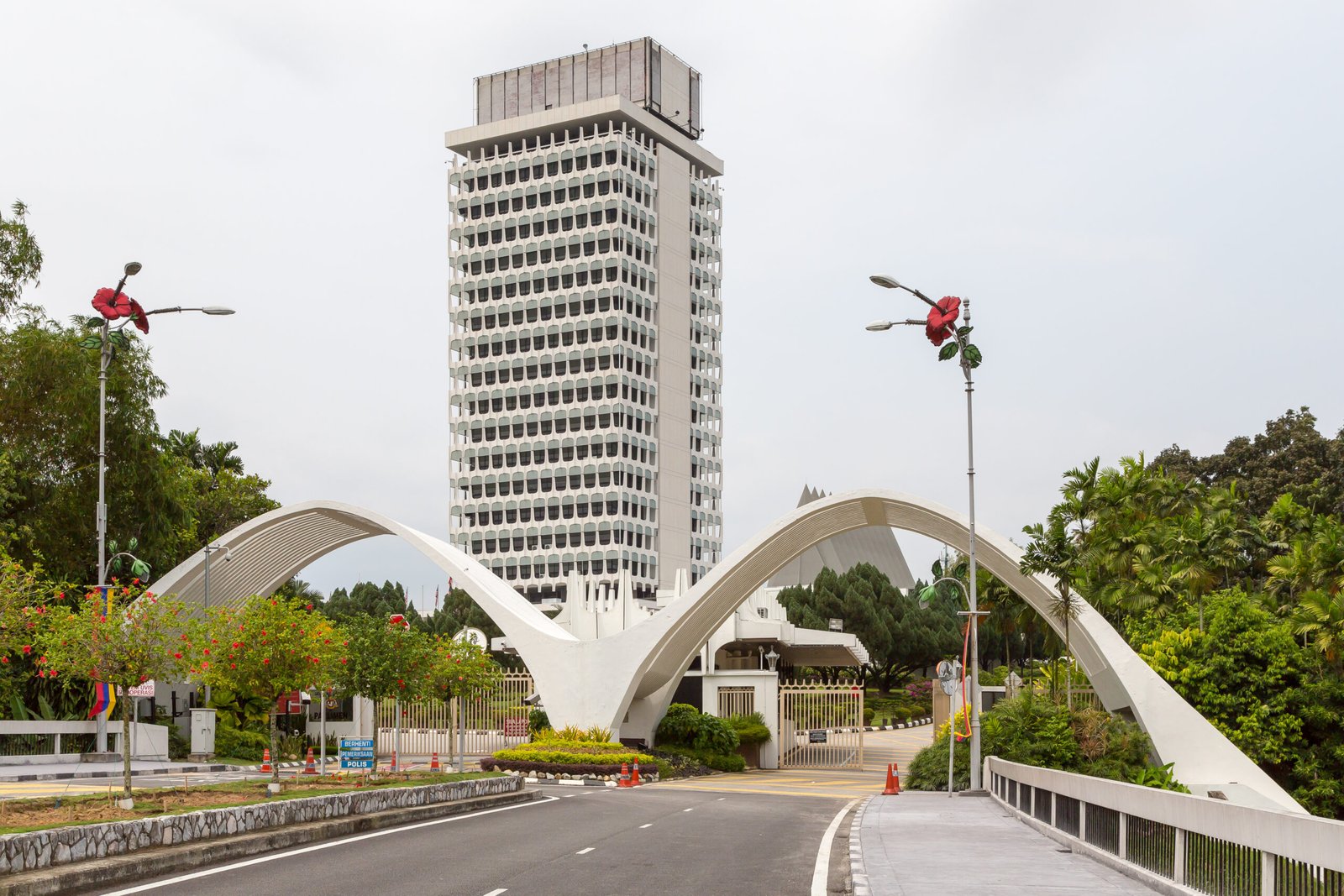
INTERNATIONAL,- Malaysian Prime Minister Anwar Ibrahim has indicated that the country’s next general election could take place around its National Day in August 2027. Speaking during a televised discussion on 25 November, he offered a broad indication of timing rather than announcing the dissolution of parliament or a confirmed polling date. The remarks provide political context for the coming year, but the formal electoral process has not yet begun.
The national news agency Bernama reported Anwar’s assessment that the election must occur before February 2028. He expressed an interest in continuing to serve if given the opportunity. That preference does not establish what mandate voters will provide or how the next administration will be formed.
Distinguishing a political signal from an election announcement
Political leaders sometimes discuss possible election windows well in advance of formal decisions. Such remarks can help parties and public institutions consider future preparations, but the proposed timing may change. An indicative period should not be treated as an instruction concerning when citizens must vote.
The distinction is also important for businesses planning investments or public-sector contracts. A possible election period may lead companies to monitor policy developments more closely, but it does not mean that existing laws, contracts or government programmes have automatically changed.
Why coalition relationships remain important
Malaysia’s federal administration involves cooperation among political parties that retain their own organisational interests. Electoral competition in individual states can occur even where parties cooperate at federal level. Those relationships may influence discussions about future candidates, policy priorities and the timing of a national contest.
CNA’s coverage described recent state-level setbacks for Anwar’s coalition and changing relationships among political partners. State election outcomes offer information about particular contests, but they cannot establish the result of a future national election. Local issues, turnout and candidate selection may differ substantially.
What observers should assess in the coming months
Public discussion is likely to cover economic conditions, household costs, government performance and the ability of political parties to maintain or develop partnerships. Assessments of those issues should rely on published policies and measurable results rather than assume that the election date itself determines public sentiment.
For businesses, the relevant distinction is between political developments and concrete changes to operating conditions. Firms can monitor fiscal announcements, investment regulations and sector-specific measures while continuing to assess demand and commercial risks independently of speculation about the electoral calendar.
What remains unresolved
No precise polling date follows from the prime minister’s comments. Formal announcements by the responsible authorities will be needed before electoral arrangements can be reported as confirmed. Readers should also distinguish the positions of individual leaders from decisions taken by their parties or public institutions.
Malaysia is a major participant in ASEAN trade and investment, making its political and policy developments relevant beyond its borders. But a stable assessment of regional implications requires evidence about actual decisions. Anwar’s remarks establish a possible timeframe for the next national contest; the election’s timing, participating arrangements and eventual results remain to be determined.