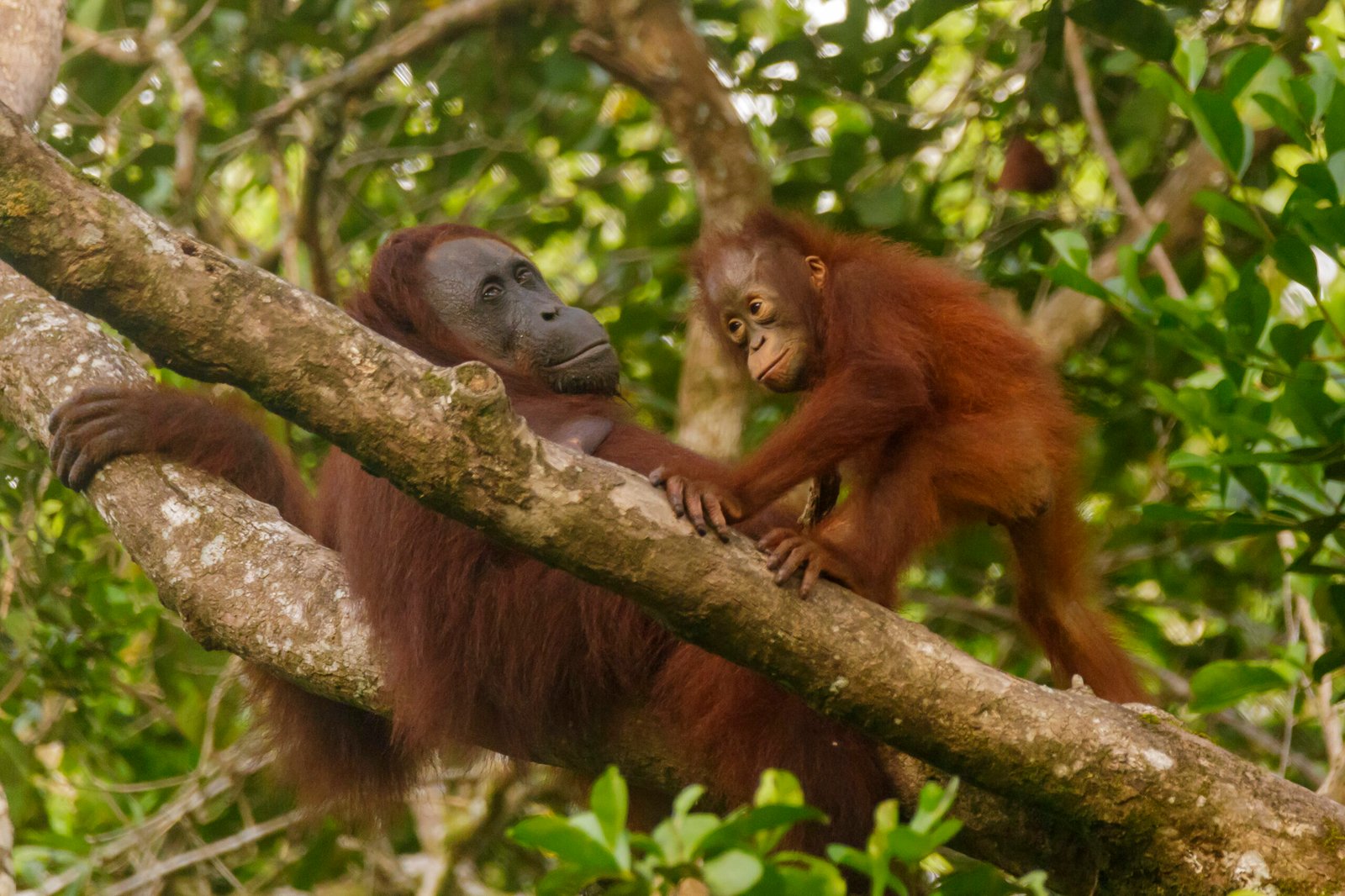
INTERNATIONAL,- Conservation authorities and a wildlife rehabilitation organisation in Indonesia’s West Kalimantan province have reported rescuing 72 orangutans affected by forest and land fires between August and late November. The tally, announced on 24 November, illustrates the pressure that repeated fires can place on wildlife. Rescue can prevent immediate suffering or death, but long-term conservation depends on preserving viable habitats where rescued and wild animals can survive.
ANTARA reported that the provincial Natural Resources Conservation Agency, known as BKSDA, and Yayasan Inisiasi Alam Rehabilitasi Indonesia (YIARI) carried out rescues in Ketapang and North Kayong districts. The reported number is a cumulative count for those operations, not an estimate of every orangutan affected by fires across Borneo.
Why fires create overlapping risks
Orangutans depend on forest habitat for food, shelter and movement. Fire may damage trees and remove feeding areas, forcing animals to move through unfamiliar landscapes. Smoke and heat can create immediate risks, while the loss of forest can persist long after flames have been extinguished.
Animals displaced into agricultural areas may also come into closer contact with people. That can create risks for local communities as well as wildlife. Conservation teams must assess the condition and circumstances of individual animals, while avoiding unnecessary handling or relocation where safe alternatives exist.
What happens after a rescue?
An animal may require a veterinary assessment, treatment or rehabilitation before release can be considered. A suitable release location needs sufficient habitat, appropriate protection and a process for assessing the animal’s ability to survive independently. Moving an animal away from immediate danger does not automatically establish that these conditions have been met.
The Indonesian-language ANTARA account of the conservation agencies’ statements stressed that rescue cannot substitute for preventing fires and protecting remaining forest. The rescue total does not establish how many animals have subsequently been released or whether all release outcomes have been successful.
Why regional cooperation matters
Forest and land fires also affect human health, agriculture and transport. Smoke can cross national borders, making prevention relevant to Singapore, Malaysia and other neighbouring economies. Wildlife conservation and haze mitigation therefore share an interest in effective landscape management, although their specific objectives and measurements differ.
An Orangutan Outreach update describes other rescue and firefighting efforts in Kalimantan during recent months. Those reports provide broader context for the challenges faced by conservation groups, rather than independent confirmation of the precise West Kalimantan tally.
What would meaningful progress look like?
Useful indicators would include the extent and quality of forest protected, recurrence of fires, the survival and successful rehabilitation of affected animals, and effective responses to conflicts involving people and wildlife. Reliable information about land management and enforcement is also important.
The rescue of 72 orangutans is evidence of emergency work responding to a serious conservation problem. It should not be interpreted as proof that the underlying danger has ended. Reducing the need for rescues in the first place would be a stronger sign that habitat protection and fire prevention are delivering durable results.