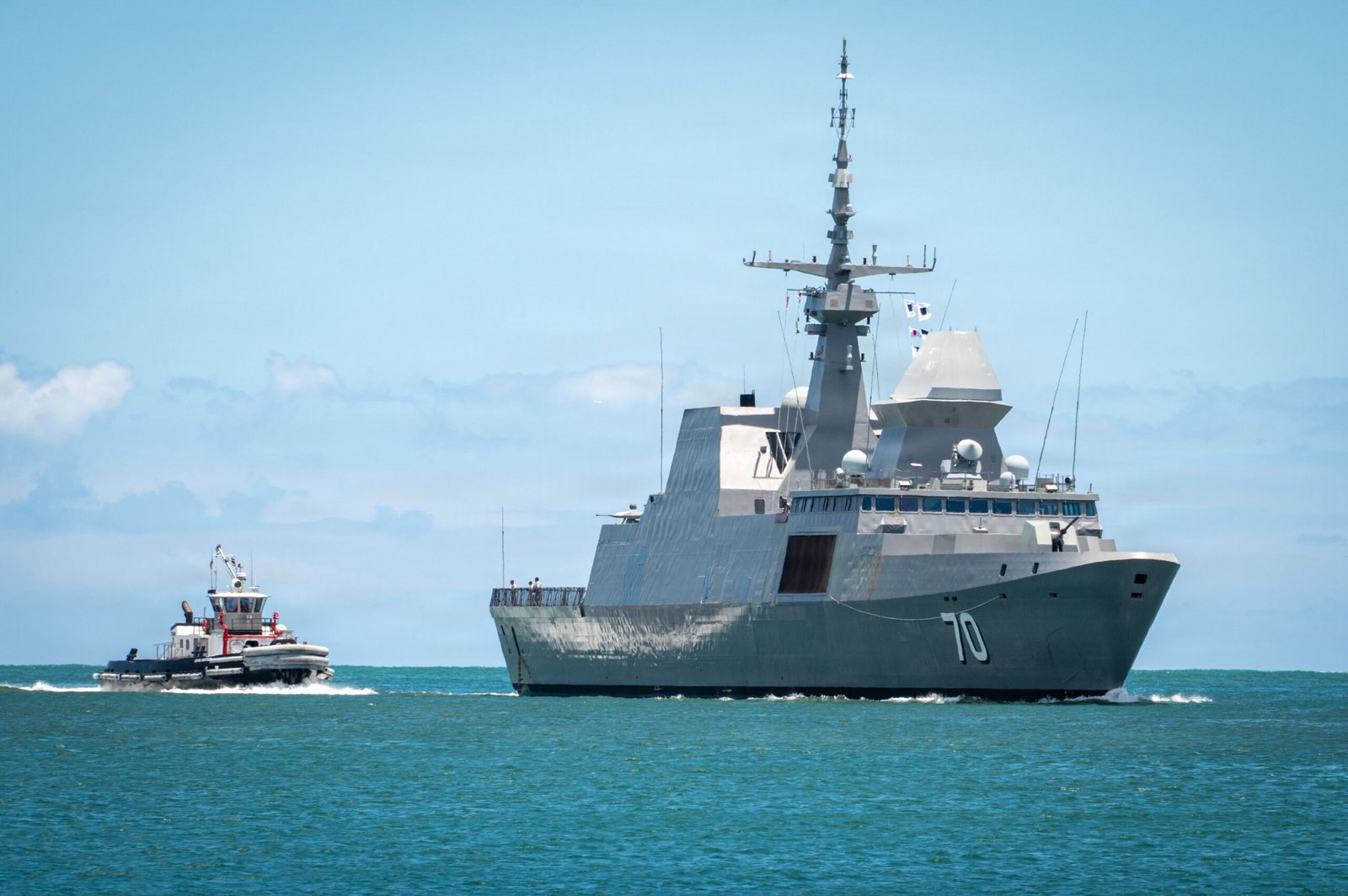
INTERNATIONAL,- Singapore and Japan have agreed to make their bilateral naval exercise a regular activity, following defence minister talks in Tokyo on 25 November. The development builds on the countries’ strategic partnership and their first Exercise Singapan earlier this year. Both governments emphasise maritime security and the importance of open sea routes, interests closely connected to the functioning of their trade-dependent economies.
The Singapore Ministry of Defence said Defence Minister Chan Chun Sing met Japanese counterpart Koizumi Shinjiro during his introductory visit. The countries intend to deepen cooperation in areas of shared interest. Their announcement represents an expansion of bilateral engagement, not the establishment of a new mutual-defence alliance.
Why maritime security is a shared economic concern
Both Singapore and Japan depend heavily on reliable maritime transport for energy, industrial supplies and international commerce. When shipping routes are disrupted, the consequences can extend from delayed components to higher insurance and freight expenses. The governments therefore have an interest in developing communication and cooperation that supports regional stability.
This interest is not limited to security crises. Search and rescue, management of maritime incidents and coordination with civilian authorities also matter to the safety of vessels and their crews. Better institutional familiarity can make it easier for organisations to communicate during unexpected emergencies.
What the proposed regular exercises establish
As CNA reported, the two countries held their first bilateral naval exercise in August and have agreed to develop it further. They are also exploring cooperation on submarine rescue exercises. These commitments are distinct from an announcement that every contemplated activity has already taken place.
Military exercises may support shared procedures and professional relationships, but their outcomes cannot be inferred solely from the number of events held. Assessments of cooperation should consider whether the participants can communicate effectively, coordinate responsibilities and learn from experience.
How this fits into wider regional diplomacy
The Japanese Ministry of Defense’s joint statement connects the meeting to the strategic partnership established earlier this year and the sixtieth anniversary of diplomatic relations. Both countries reaffirmed the importance of regional peace and maritime stability.
Singapore maintains defence relationships with numerous countries, while Japan participates in its own security arrangements. Closer bilateral cooperation should therefore be understood in the context of existing institutions and policies, rather than assumed to change every aspect of either country’s relationships with other states.
What the public should watch
The next indicators will include formally announced activities, continued dialogue and practical cooperation in areas such as rescue and maritime safety. Public statements about shared objectives provide political direction, while actual arrangements require planning and sustained participation by both sides.
For businesses, the meeting does not mean that freight rates or insurance costs will immediately change. Its broader relevance is that governments are investing in relationships intended to preserve the stable environment on which international commerce depends. Whether this contributes to resilience will become clearer through continued cooperation and its ability to address shared challenges.